What’s for dinner? It’s the question that never seems to go away. Between work, kids, and everything in between, you barely have time to think about dinner, let alone plan something healthy.
Add in your goal to shed a few pounds, and it’s enough to make you want to order pizza (again). But here’s the good news—you don’t have to overhaul your entire life to make meal prep easier or better for you.
Harvard’s Nutrition Source explains that simple meal planning strategies can help improve nutrition, save time, and reduce food waste—without requiring a complete lifestyle overhaul.
With just a few small tweaks, you can save time, cut calories, and actually enjoy the process (yes, really!). Let’s make this simple because, honestly, who’s got time for complicated?
Embrace the Power of Tiny Changes
When life is a whirlwind of soccer practice pickups, work deadlines, and endless laundry (seriously, where does it all come from?), the idea of meal prepping can feel like one more thing you’re destined to fail at.
Here’s the secret, though: you don’t need an Instagram-worthy spread or hours of chopping veggies to be successful. Small, consistent changes are your golden ticket.
A study published in the National Library of Medicine highlights that making gradual, sustainable lifestyle adjustments—rather than drastic overhauls—is more effective for long-term weight management and adherence.

Think of it like planting seeds—tiny habits that grow into bigger wins over time. Let’s break it down into baby steps that even the busiest moms (read: all of us) can handle.
Start Small with One Meal Type
Here’s the deal: you don’t have to prep three gourmet meals a day right out of the gate. That’s a fast pass to burnout, and we’re not about that life.
Start with just one meal type that feels manageable. Breakfast is a solid favorite—because let’s be honest, mornings are chaos. Or maybe snacks are your jam because kids are constantly asking for food…again.
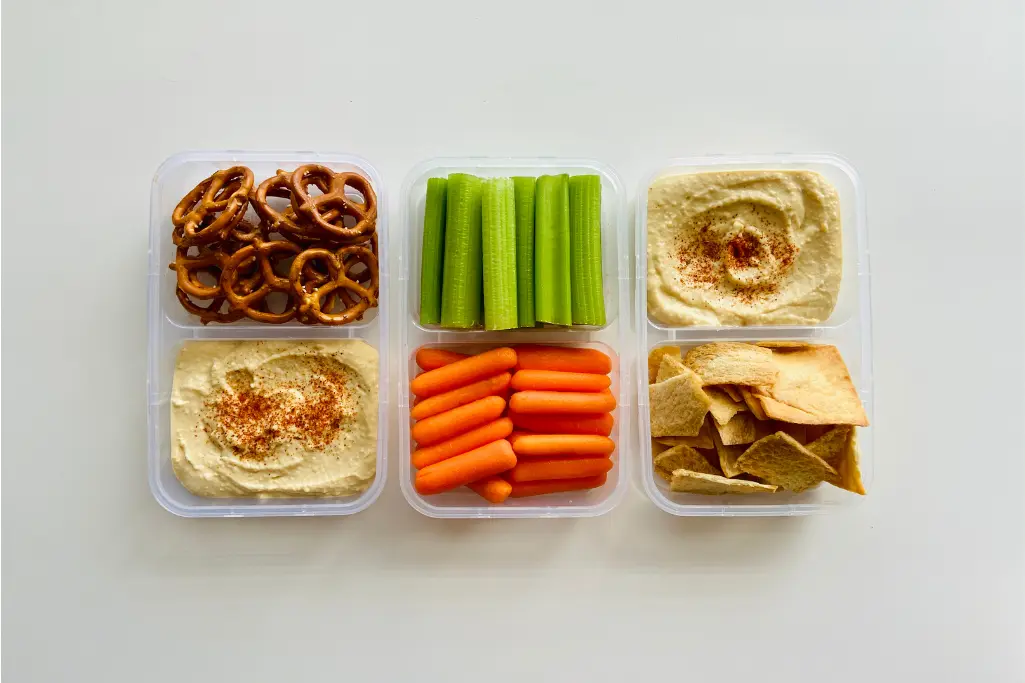
For breakfast, think overnight oats or a batch of egg muffins you can grab without breaking stride. For snacks, prep things you can portion out, like trail mix or cut veggies with hummus.
The American Diabetes Association suggests keeping pre-portioned, healthy snacks on hand—like nuts, yogurt, or veggies—to make it easier to stay on track even when life gets hectic.
No need to reinvent the wheel—just make it something you can easily work into your routine. The idea here isn’t to be perfect; it’s to create a little breathing room.
Once you’ve mastered one meal, you can expand to another—but not before you’re ready. It doesn’t have to all happen at once. Build your confidence step by step. Baby steps, mama. Baby steps.

Celebrate Quick Wins
Guess what? Every small victory matters. When you wake up and realize your breakfast is already done because you prepped it last night? That’s a win.
When you pull out that handy bag of prepped veggie sticks instead of hitting the drive-thru? Another win. These small moments add up, and they’re worth celebrating. (Yes, even if no one else notices it. You noticed.)
You don’t need to throw a party, but give yourself a little credit—maybe even reward yourself when you stick to your plan for the week.
On Sunday night, treat yourself to a bath, your favorite show, or, heck, a chocolate bar you don’t have to share. Positive reinforcement works, even if you’re the one giving it to yourself.

The more you celebrate those bite-sized accomplishments, the more encouraged you’ll feel to keep going. Think of it like throwing confetti on your progress—even the tiniest bit brightens your day and keeps you moving forward. (Because trust me, progress isn’t about giant leaps. It’s about all those little steps that keep adding up.)
Optimize Breakfast for Success
Let’s talk mornings—for most moms, they’re busy, messy, and let’s face it, chaotic. Between getting the kids ready, finding that missing shoe, and trying to make it out the door on time, breakfast can easily turn into an afterthought.
But it doesn’t have to be that way! A little prep the night before can set you up for success, giving you a healthy, stress-free start to your day. Here are two foolproof ways to make breakfast one less thing to worry about.
Overnight Oats Revolution
Overnight oats are like the superhero of breakfasts—you throw them together in minutes, let them work their magic overnight, and wake up to a ready-made meal that’s healthy, filling, and customizable. It’s a total win.

Plus, oats are packed with fiber and help keep your blood sugar stable, which means no mid-morning crashes (and fewer sneaky snack attacks).
Here’s how easy it is:
- Grab a jar, bowl, or container with a lid.
- Add half a cup of rolled oats and half a cup of your favorite milk (dairy, almond, oat—whatever works for you).
- Stir in something to flavor it up—think a teaspoon of honey, a dash of cinnamon, or a splash of vanilla extract.
- Mix in some extras for nutrients and texture. Chia seeds, a scoop of Greek yogurt for protein, or a handful of fresh fruit can all take it to the next level.
- Pop it in the fridge overnight. Done.
What’s great is you can mix it up every day to keep things interesting. Add berries and nuts on Monday, bananas and peanut butter on Tuesday—the possibilities are endless. You don’t need to be fancy to make it work, either. Just go with what you’ve got on hand.
Why does this work so well? It’s no-cook, keeps you full for hours, and is perfect for eating on the go if mornings are completely insane. Plus, it’s kid-friendly! Give them their own jar to “decorate” with their favorite toppings, and you’ve got one less breakfast battle to fight.
Batch Prep High-Protein Options
You know that saying, “Breakfast is the most important meal of the day”? Well, it’s especially true when protein is front and center.

According to research, high-protein breakfast gives you steady energy, helps with focus (you’ll need that when the kids are arguing before 8 am), and even keeps cravings in check later on. But who has time to cook eggs and sausage while managing morning mayhem? That’s where batch prep comes in hot.
Here are two breakfast prep MVPs:
Egg Muffins: Think mini omelets you can grab and go. All you need are eggs, a muffin tin, and whatever veggies or toppings you love. Whisk up 6-8 eggs, pour the mix into a greased muffin tin, toss in chopped spinach, diced bell peppers, or crumbled bacon, and bake at 375°F for about 20 minutes.
They store beautifully in the fridge for up to a week, and you can change up the fillings each time to keep it fun.
Chia Seed Pudding: It’s creamy, filling, and packed with omega-3s, as well as many other health benefits. Plus, you can make it in five minutes! Mix 3 tablespoons of chia seeds with 1 cup of milk (any kind works fine). Stir it well and let it sit for a few minutes. Then stir again (this prevents clumping), cover, and refrigerate overnight.
In the morning, you’ve got a rich, pudding-like meal. Add fruit or a sprinkle of granola to make it feel fancy. Bonus: The kids might think it’s dessert, and no one needs to know it’s actually good for them.

Both these options are easy to prep ahead, store well, and deliver nutritional bang for your buck. Not to mention, they’re ridiculously versatile.
Don’t like spinach? Sub in mushrooms or zucchini. Allergic to nuts? Skip the toppings or try roasted seeds instead. These recipes are all about making life easier, not harder.
When your mornings start with breakfast already taken care of, you’ll feel like you’re winning the day before it even begins. Who doesn’t need more of that?
The Art of Batch Cooking Lunches
Let’s be honest—lunchtime can be chaos. Whether you’re juggling errands, helping with homework, or just trying to get through another video call with a rumbling stomach, it’s easy to grab whatever’s easiest (hello, leftover chicken nuggets). But what if you didn’t have to stress?
Batch cooking lunches is like giving yourself a mid-day hug—you’ve already done the hard work, and all that’s left is to enjoy. It’s a major sanity saver during busy weeks, as well as saving money too.
Plus, research from the International Journal of Behavioral Nutrition and Physical Activity shows that individuals who frequently eat home-cooked meals have better diet quality and are less likely to suffer from obesity. Here’s how you can pull it off without feeling like a short-order cook.
Use a Dress-Up Base Strategy
If you’ve ever looked at meal prep and thought, “I can’t eat the same boring thing all week,” you need this trick in your back pocket.
The dress-up base strategy is all about prepping versatile ingredients that you can jazz up in different ways. Think of it like the little black dress of meal prep—it fits every occasion, you just accessorize differently.

Start with something simple and hearty that holds well in the fridge. A few great options:
Quinoa: It’s nutritious, filling, and a perfect blank canvas.
Roasted veggies: Sweet potatoes, zucchini, brussels sprouts, or bell peppers work beautifully.
Leafy greens: Stick to hearty options like kale or spinach that won’t wilt by day two or three.
Here’s the magic—you make a batch of your base, store it in portions, and then add toppings, sauces, or proteins to change it up. One day, that quinoa turns into a taco bowl with beans, salsa, and avocado.
The next, toss it with some olive oil, lemon juice, and grilled chicken for a light Mediterranean vibe. Roasted veggies can become a filler for wraps, a side for salmon, or even a mix-in for a comforting curry.
This approach keeps things fresh, saves time, and ensures you’re not eating the same exact meal on repeat. And let’s be real, no one wants to feel like their fridge is Groundhog Day.
Bonus tip? Keep a couple of flavorful sauces or dressings on hand—like tahini, balsamic vinaigrette, or a good peanut sauce. They’re the quickest way to bring variety without extra work.
Adopt One-Pan Recipes
If the thought of too many dishes makes you cringe—and, let’s be honest, who actually enjoys scrubbing pots and pans?—then one-pan recipes are going to be your new best friend.

These recipes simplify meal prep to the max. Everything cooks together in one pan, so you save on cleanup without sacrificing a balanced meal.
Sheet-pan lunches are the ultimate time-savers. Take some protein (chicken thighs, salmon fillets, tofu—whatever your crew likes), add veggies, toss it all with a little olive oil, salt, and your favorite spices, and pop it in the oven.
In about 25-30 minutes, you’ve got a golden-brown meal that’s good for multiple lunches. You can even get fancy and divide the pan into sections—maybe broccoli and carrots for one side, sweet potatoes and green beans for the other. Boom: variety without extra effort.
Here’s why this works so well:
You don’t have to babysit it. Once it’s in the oven, you’re free to fold laundry, help with math homework, or just relax (if that’s even a thing).
It’s easy to make it healthy. Toss everything with olive oil, garlic, and maybe a sprinkle of parmesan, and you’re halfway to feeling like a gourmet chef.
Portioning becomes effortless. Everything is already cooked and ready to divide into containers, so it’s grab-and-go when the lunchtime rush hits.
One-pan cooking isn’t limited to the oven, either. Stir-fries are another fantastic option—everything happens in one skillet, and they come together in about 15 minutes. You can throw in a mix of veggies, a lean protein, and your favorite sauce (pro tip: soy sauce and a drizzle of honey are magic together).

Think of one-pan meals as your secret weapon—not only to save time but to make sure lunch is something you look forward to instead of something you dread. And hey, less cleanup means more time for you, whether that’s squeezing in a quick walk or just sneaking a quiet moment with your coffee.
Snack Smarter, Not Harder
Snacking doesn’t have to sabotage your calorie goals or derail your hard-earned progress. If you’re anything like most moms, snacks can quickly turn into mindless handfuls straight from the bag—or worse, a regrettable trip to the vending machine.
But with just a little bit of planning, you can turn snacks into an ally, not the enemy. The key? Make it convenient, really convenient. Let’s talk about two easy ways to hack your snacks so they work for you, not against you.
Portion Pre-Packaged Snacks
Let’s be real: snacks like crackers, popcorn, and trail mix are often labeled as “healthy” but, wow, can they add up fast. Have you ever looked at the serving size on the back of the package?
It’s usually way less than what you’d actually grab by the handful. That’s why portioning out your snacks ahead of time is a total game-changer. (Oops, I said no “game-changer,” but this one really is.)

Here’s what you do: take those bigger bags of snacks and grab some small, resealable snack bags or reusable containers. Spend five minutes scooping out individual servings. You can even keep a kitchen scale handy if you want to be precise—or just eyeball it; no judgment here.
Pop them into a spot that’s easy to grab, like a designated drawer in the pantry or a basket in the fridge. Now, when you or your kids are feeling snacky, you’ve got ready-to-go options that help you stop before you eat the whole bag.
Not into doing math for snack portions? Check out the pre-portioned snack packs at the store. They’re slightly pricier, but if it saves you time and stops unplanned calorie overload, it might be worth the trade-off. You’re paying for convenience—and as a busy mom, isn’t that always the priority anyway?
Here’s a quick list to get you started:
- Almonds (about 24 per serving)
- Popcorn (stick to air-popped for fewer calories)
- Whole-grain crackers or pretzel thins
- Mini protein bars (aim for ones under 150 calories)
- Low-fat cheese sticks

By taking two seconds to bag those snacks properly, you’ll dodge overeating while still enjoying what you love. Plus, you’ll thank yourself later when hunger strikes and—you guessed it—the kids are stealing your last nerve.
Prep Veggie and Protein Packs
If you’re tired of staring into the fridge thinking, I should really eat something healthy, but all you see is a block of cheese and three bottles of ketchup… let’s talk veggie and protein packs.
These bad boys are the holy grail of grab-and-go snacking. Best part? No cooking required if boiling eggs counts as optional.
Start by chopping up some fresh veggies—carrots, celery, cucumbers, bell peppers… you know, the usual suspects. You can even go the easy route and snag those pre-chopped veggie trays at the store (no shame in saving time).
Store them in airtight containers or toss together a few snack-sized portions in resealable bags. Pair your veggies with dips like hummus, guac, or a light ranch dressing for a snack that’s as tasty as it is satisfying.
Now let’s add a protein punch to keep you full between meals. Hard-boiled eggs are a classic choice—and honestly, a little underrated if you ask me. You can make a dozen all at once and store them peeled in the fridge for the week.
Not into eggs? Try individually wrapped cheeses, like Babybel or string cheese, or go for pre-cooked chicken strips. Heck, even a handful of roasted nuts will do the trick (just remember to portion them like we talked about earlier).
A couple of easy grab-and-go pack ideas:
The Classic Combo: Carrot sticks + hummus + a hard-boiled egg.
Snack Box Style: Sliced cucumbers, cherry tomatoes, turkey slices, and a wedge of cheese.
Low-Carb MVP: Celery sticks with peanut butter and a sprinkle of chia seeds for crunch.
The beauty of this? You prep everything at once, and for the rest of the week, snacks are ready whenever that 3 p.m. slump hits. Not to mention, these packs aren’t just for you—your kids will raid these tasty options faster than their snack cookies (win).
By having veggies and proteins prepped and portioned, you’ll dodge the temptation to grab something less nutritious or hit the drive-thru. Plus, isn’t it oddly satisfying to open your fridge and see ready-made snack packs just sitting there, smiling at you like a little pat on the back for being so on top of things?
Time-Saving Tools and Strategies
If meal prep feels like one big, overwhelming chore, it’s time to flip the script. With the right tools and a few clever strategies, you can make prepping your meals quicker, easier, and dare I say—almost enjoyable.
Think of these tweaks not as extra steps but as investments in saving your future self time and sanity. Let’s dig into a few ideas that can (almost magically) cut your effort in half.
Invest in Storage Solutions
If your fridge feels like a black hole where meal prep goes to die, it’s time to invest in the right storage. The key is finding options that keep things organized, fresh, and easy to stack. Because, let’s be honest, no one has time to play Tetris with their leftovers.
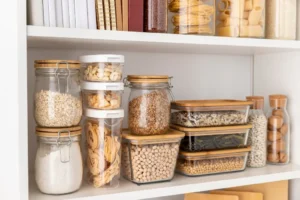
Here’s the deal: stackable containers are a game-changer. Look for clear ones, so you can actually see what’s inside (because out of sight really does mean out of mind).
Opt for glass if you’re re-heating meals often—it’s less likely to stain or hold onto smells. FDA on food safety and storage tips.
For snacks or pre-portioned ingredients, smaller containers are your best friends. Bonus points if they’re dishwasher-safe because who has time to hand wash a dozen lids? Not you.
And don’t forget about freezer-friendly bags. These are a lifesaver for storing soups, stews, or even pre-marinated proteins. Lay them flat in the freezer to save space (and speed up thawing time!). A little label—just a Sharpie and some masking tape—is all it takes to avoid the “mystery meat” guessing game later on.
Pro tip: Dedicate a specific shelf or drawer in your fridge and freezer for your prepped meals. That way, you’re never digging around while your toddler screams for a snack.
Double Down on Leftovers
Now let me tell you something revolutionary—you don’t always have to start from scratch. Leftovers aren’t just yesterday’s food. They’re tomorrow’s shortcut, especially when you cook with some intentional extras in mind. Cleveland Clinic on the benefits of batch cooking and leftovers.
The next time you’re making dinner, simply cook double. If you’re roasting a chicken, bake two instead. Making spaghetti? Add an extra portion of sauce and toss in some veggies—voilà, you’ve got tomorrow’s lunch ready before you’ve even finished tonight’s cleanup.

Here’s the genius in it: leftovers aren’t supposed to feel like, well, leftovers. Repurpose them into something new, and they’ll feel like a completely different meal.
Last night’s roasted veggies? Toss them into a salad or an omelet.
Extra grilled chicken? Slice it thin for wraps or shred it into a quick chicken salad.
That lonely scoop of chili? Spoon it over a baked potato or serve it on tortilla chips for a “lazy nacho” vibe dinner your kids will demolish.
Not every meal has to be ground-breaking. It just has to work for you. Think of leftovers like the ultimate meal-prep hack—they save time, money, and brainpower. That’s a triple win in my book.
Leverage Pre-Chopped Ingredients
If you’ve ever spent an eternity peeling and chopping, you already know it’s one of the most time-consuming parts of cooking. But here’s a little secret: you don’t have to do it all yourself. Store-bought pre-chopped ingredients are the shortcut you didn’t know you needed.
Picture this: perfectly diced onions, freshly sliced mushrooms, or colorful veggie medleys—all ready to toss in a pan. These pre-chopped options might cost a bit more than whole produce, but the time you save? Totally worth it. And no crying over onions at 7 p.m., which is honestly priceless.

According to research on an Advance Quantity Meal Preparation (AQMP) program, prepping ingredients and meals ahead of time not only improved home-cooked meal consumption but also boosted confidence and enjoyment around cooking.
You’ll also find pre-cooked proteins that are perfect for quick meals. Rotisserie chicken is the queen of convenience—shred it and use it in soups, salads, or tacos.
Pre-cooked frozen shrimp can go straight into a skillet for stir fry or pasta, and it’s ready in minutes. There’s absolutely no shame in grabbing help where you can.
If you’re up for a little upfront effort, you can do your own chopping in bulk. Dedicate 10-15 minutes over the weekend to slicing and dicing everything you’ll need for the week. Seal them in airtight bags or containers, and you’ve got a fridge full of ready-to-go ingredients.
Here’s another game-changer: frozen pre-chopped veggies. Not only do they last longer, but they often come pre-washed and ready to cook. Use them in stir-fries, omelets, or soup bases, and I promise no one will know they didn’t come fresh from the farmer’s market.
Fun fact: Frozen foods can actually have more vitamins and minerals than fresh ones. Yep—according to the Academy of Nutrition and Dietetics, freezing helps lock in nutrients, while fresh produce can lose some over time just sitting in the fridge.

The bottom line? You don’t have to do everything the hard way. Let someone else do the chopping—give yourself the gift of time. Sometimes, being a little “lazy” is the smartest move you can make.
Meal prep doesn’t have to feel like one more stressful chore stacked onto your already packed day. The truth is, small, consistent tweaks can completely change how you approach healthy eating.
Start simple—whether it’s batch-prepping some veggies, mastering overnight oats, or just portioning out your snacks. Each little step adds up, even on the busiest weeks.
Think about one tiny tweak you can start today. Just one! Maybe it’s prepping breakfast for tomorrow or putting together a snack pack.
Once you feel that small win, it creates momentum for the next. Progress doesn’t have to be perfect—it just has to fit into your life.
What’s one change you’re willing to try this week? Go for it! You’ve got this.

If this post helped you in any way, please pin one of these images below!
It helps my blog tremendously. Thank you!


![5 Science-Backed Breakfast Hacks for Busy Moms Who Want to Lose Weight [Updated for 2025]](https://beimperfectlyhealthy.com/wp-content/uploads/2025/05/breakfast-768x512.webp)
![Smart Snacking for Weight Loss: Busy Mum’s Guide to Guilt-Free Bites [2025]](https://beimperfectlyhealthy.com/wp-content/uploads/2025/05/energy-bites-768x512.webp)
![5 Ways to Snack Smarter (Without Giving Up Your Favorite Treats) [Fresh for 2025]](https://beimperfectlyhealthy.com/wp-content/uploads/2025/07/snack-portions-768x512.webp)