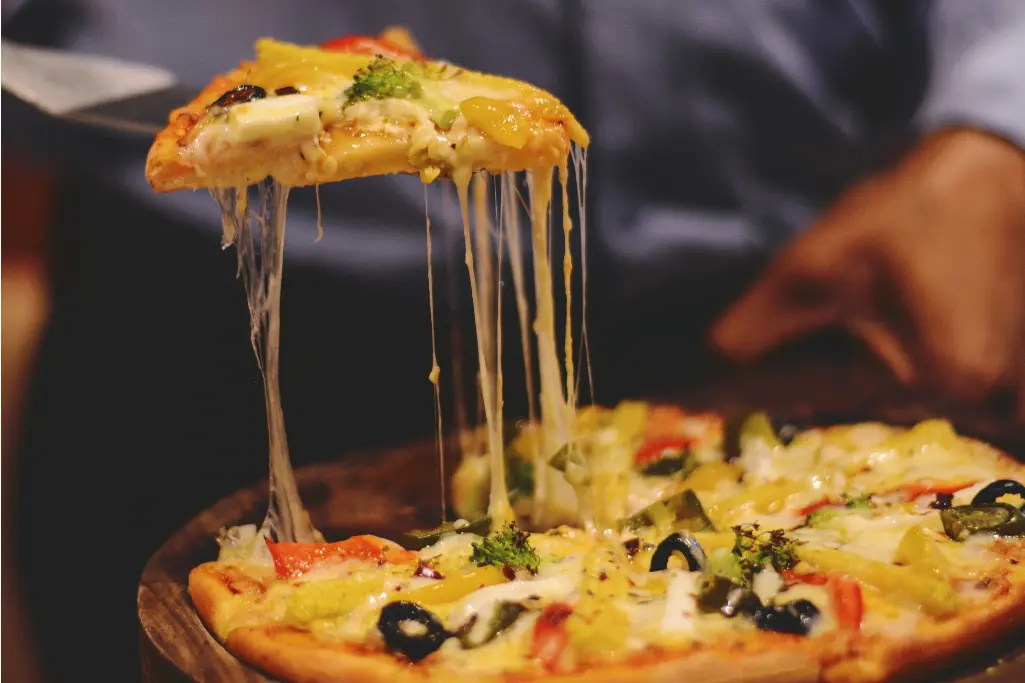
Food guilt. Ugh, it’s that sneaky little voice in your head that makes you feel bad for eating a cookie or indulging in your favorite pasta. If you’ve ever felt torn between wanting to enjoy your meals and sticking to some “perfect” idea of healthy eating, you’re not alone.
For so many moms trying to create healthier habits, the guilt around food can be overwhelming—and honestly, exhausting. But here’s the good news: it doesn’t have to be this way.
By making a few simple mindset shifts, you can let go of that guilt and start enjoying food without all the stress. Research from Harvard Health highlights the importance of sustainable habits over restrictive rules, helping you build a healthier relationship with food. Sound good? Let’s make it happen!

Understanding Food Guilt
If you’ve ever questioned yourself over that extra slice of pizza or felt like you “ruined everything” because of a chocolate bar, you’re not alone. Food guilt is that frustrating, nagging voice that can turn something as joyful as eating into an emotional battle.
For many moms, it doesn’t just come out of nowhere—it’s often tied to impossible standards, diet culture, and the constant pressure to do all the things perfectly.
Research from the National Eating Disorders Association explains how diet culture fuels food guilt and unrealistic expectations, making it even harder to develop a positive relationship with food.
And let’s be real, as if you don’t already have enough on your plate! Breaking free from food guilt starts with understanding its impact and what triggers it in the first place. Let’s tackle it step by step.
The Impact of Food Guilt on Your Health
Food guilt doesn’t just live in your head—it can ripple into every area of your life. Physically, mentally, emotionally—it all connects, and guilt around food takes a bigger toll than you might realize.
Have you ever beaten yourself up about overeating, only to feel so frustrated that you end up diving back into the snacks you were trying to avoid? That vicious cycle of restriction, guilt, and overindulgence isn’t just exhausting—it messes with your overall well-being.
When you feel guilty about eating certain foods, it ramps up your stress levels. And no surprise here, stress leads to all kinds of physical effects: headaches, stomach issues, bad sleep—you name it.
According to Harvard Health, chronic stress doesn’t just impact your mood—it also affects digestion, sleep, and even immune function, making food guilt a much bigger issue than just feeling bad about a meal.
Over time, it can even impact your relationship with food in ways that most diets don’t warn you about. You might start obsessing over calories or labeling foods as “good” or “bad,” which can make eating feel more like math homework than nourishment.
On the mental side, food guilt can trigger emotional eating. You’re not eating because you’re hungry; you’re eating because you feel hurt, overwhelmed, or ashamed.

It’s a coping mechanism, and while it might give you a hit of comfort in the moment, it often leaves you feeling even worse afterward. It’s like trying to patch a hole in a sinking boat—it just doesn’t work.
And then, there’s the emotional toll. Guilt around food fuels negative self-talk. You might start believing that one “bad” choice defines you, which chips away at your confidence.
Suddenly, it’s not just the cookie that feels wrong—it’s you. And mama, let me say this loud and clear: you are so much more than what you eat.
Recognizing and Identifying Triggers
If you’re going to release food guilt, you first have to understand where it’s coming from. After all, how will you change your mindset if you don’t know what’s kicking off those guilty feelings in the first place? Spoiler alert: it’s probably not just the cookie.
Start by asking yourself: What makes me feel guilty about eating? Is it seeing the number on the scale? Someone’s comment at dinner? Or maybe those old-school nutrition rules you grew up hearing (looking at you, “no carbs after 6 pm”)? Recognizing these triggers is the first big step towards breaking free from their hold.
Here’s a simple exercise that can help: grab a notebook or open the notes app on your phone. For a week, jot down any time you notice food guilt creeping in. Write down what you ate, where you were, and what was going through your mind.

Were you feeling stressed? Rushed? Maybe someone’s comment about dieting got under your skin. There’s no right or wrong answer—the goal is to start spotting patterns.
Once you see your triggers laid out, take a closer look. Are there certain foods that make you the most anxious? Do you notice guilt more when you’re eating with others or scrolling social media?
By naming these triggers, you take away some of their power. It’s like shining a light on a monster in the closet—it’s not so scary when you know it’s there.
Another tip: talk to that guilty voice in your head like you would a friend (yes, even if it feels a little ridiculous at first). For example, if your mind goes, “Ugh, you shouldn’t have eaten that,” pause and challenge it.
Would you say that to someone you love? Would you tell them their meal defines their worth? Of course not. So don’t let those same rules apply to you.
Recognizing what’s fueling your food guilt doesn’t mean everything magically changes overnight. It’s a process, and like any habit, it takes time.

But the more awareness you build, the easier it becomes to separate your thoughts from reality. Because at the end of the day, food is just food—not something that needs guilt attached to it.
Mindset Shift #1: Food is Fuel, Not Your Enemy
For so long, you’ve probably been told what you shouldn’t eat. Don’t eat carbs. Don’t eat sugar. Don’t eat after 8 pm. No wonder food starts to feel like the enemy!
The truth is, your body needs a variety of nutrients—including carbs—to function well. Harvard’s Nutrition Source explains how carbohydrates are an essential energy source, supporting brain function and overall health. Instead of fearing food, it’s time to embrace it as fuel.
The reality is – food is not out to get you. Food is fuel. It’s what gives you the energy to haul the endless laundry baskets, chase your toddler across the yard, and even power through a work meeting while running on three hours of sleep and sheer willpower.
By shifting how you view food, you can rebuild a relationship with it that feels nourishing rather than stressful.
Replacing Negative Labels with Positive Intentions
How many times have you called a food “bad” or given yourself a gold star for eating something “good”?
The problem with labeling food this way is that it turns every bite into a moral dilemma. Suddenly, you’re either winning or failing based on what’s on your plate. Exhausting, right?
Instead of falling into the trap of black-and-white thinking, focus on how different foods make you feel and perform.
Ask yourself, “What does my body need right now? Energy? Comfort? Something quick because I have two minutes before school drop-off?” This thought process shifts the narrative from judgment to intention.
Change the way you talk to yourself about food by replacing guilt-inducing labels with empowering ones. Here’s what that might look like:

Instead of saying, “I was bad for eating dessert,” try, “I chose to enjoy dessert because it sounded delicious, and I’m allowed to treat myself.”
Instead of labeling chips or pizza as “junk,” think, “This food is satisfying me in the moment, and that’s okay.”
Instead of bragging about skipping carbs, consider, “Carbs fuel me for my busy day.”
It’s not about ignoring nutrition entirely—it’s about realizing there’s room for all foods in your diet when you listen to your body. Food doesn’t have to be a battle. It’s a tool.
How you use that tool depends on what supports your happiness and health today, not some outdated “good vs. bad” chart.
How Small Wins Build Healthy Relationships with Food
Every big change starts with one small step, right? This mindset shift is no different. The process of improving your relationship with food isn’t an overnight makeover—it’s a series of tiny, deliberate wins that build up over time. Let’s make it feel doable by starting small and celebrating along the way.
For example, maybe you swap your afternoon candy bar for an apple and peanut butter one day. Instead of brushing it off as no big deal (which you might be tempted to do), recognize it for what it is: a small win!
You just made a choice that nourishes and energizes you—go, you! Or maybe you decide to add a handful of greens to your sandwich at lunch. Sure, it’s a minor tweak, but it’s also progress. These baby steps matter more than you think.
BJ Fogg, the author of Tiny Habits, talks about how small, positive actions can snowball into significant change. The idea here isn’t to overhaul your entire eating routine in one go (that only leads to burnout).
Instead, you focus on the little things you can stick to, like enjoying a balanced breakfast or sitting down for dinner without your phone for a single evening. Once those habits feel natural, you add another.
And you know what? Every time you make one positive choice, give yourself permission to feel proud. Seriously. Would you cheer on a friend for making a healthy decision? Then why not do the same for yourself?
The more you celebrate these small wins, the easier it becomes to string them together, turning them into lasting habits. Think of it like building muscle at the gym—those little reps might not look like much, but over time, they lead to real strength.
So, don’t sweat the big picture just yet. When you focus on small, achievable changes, you’ll watch your relationship with food transform one bite at a time.
Mindset Shift 2: Permission to Enjoy Food
Let’s get one thing clear: you’re allowed to enjoy food. Yup, actually savor it without that little voice in your head whispering “you shouldn’t.” Food isn’t just about nutrition and fuel—it’s also about connection, comfort, and (dare I say it?) joy.
But if you’ve spent years wading through the “good” vs. “bad” food mentality, giving yourself that permission can feel strange, maybe even a little rebellious.

In reality, shifting away from rigid food rules is a key part of developing a healthier, more balanced relationship with eating. The principles of Intuitive Eating emphasize rejecting diet culture and giving yourself unconditional permission to enjoy food—without guilt or stress.
Here’s the truth—it’s not rebellious. It’s human. And learning to embrace your meals, free from the weight of guilt, is a game changer for your health and happiness.
Let’s take a closer look at how you can shift your mindset and invite more enjoyment back into eating, starting with some practical steps.
The Role of Mindful Eating
Eating often feels like yet another chore on your to-do list, right? You’re either shoveling bites in between school drop-offs or rushing through dinner because the laundry pile is giving you side-eye. It’s no wonder the enjoyment gets lost in the chaos.
That’s where mindful eating comes in. It’s about slowing down and really being present when you eat—kind of like pressing “pause” on the chaos of life to focus on one moment.
So how do you do it without turning it into another thing to stress over? Start small with these simple habits:
Pause before the first bite. Take a deep breath. Check in with yourself. Are you actually hungry, or are you eating out of habit or boredom? This quick pause can completely shift how you approach your meal.
Chew slowly. Seriously, put your fork down between bites. It’s not a race. Savor the flavors, and pay attention to the textures. Notice how your taste buds light up when something’s sweet or salty.

Sit down—no distractions. This one’s tough. I know the temptation to scroll Instagram or answer emails while eating is real, but try focusing only on your meal instead. Enjoy the colors on your plate. Smell the food. You’ll be amazed at how much more satisfying it feels.
Mindful eating doesn’t have to mean savoring every meal like a five-course dinner at a fancy restaurant (who has time for that?).
It’s more about creating little pockets of awareness. Even if it’s just a few mindful bites, it helps you reconnect with the experience of eating rather than rushing through it on autopilot.
Balancing Enjoyment with Nourishment
Here’s the part that trips people up: how do you enjoy food without feeling like you’re throwing your health goals out the window? The answer? Balance.
Enjoyment and nourishment can absolutely live side by side—you just have to ditch the all-or-nothing thinking.
Take this for example: you’re out with friends, and someone orders a big, gooey chocolate dessert for the table. You might think, “I can’t touch that if I’m trying to be healthy,” but here’s the thing.
Healthy doesn’t mean never eating the brownie. It just means making choices that feel good for your body most of the time—without guilt when you decide to indulge.
Let’s break this down with some quick tips for finding that sweet spot (pun intended):
Follow the 80/20 rule. Aim to fill about 80% of your meals with foods that nourish your body: veggies, lean proteins, whole grains, healthy fats. The other 20%? That’s where you embrace the pizza night, the movie popcorn, or the second cup of coffee with cream. You’re not “cheating”—you’re living.

Plan for indulgence. If you know your bestie’s birthday dinner is coming up and the whole gang is ordering pasta, plan for it. Have a lighter breakfast or make sure you’re including veggies earlier in the day. Then, when dinner rolls around, you’ll enjoy it guilt-free because you’ve already taken care of your nutrition.
Allow for flexibility. Life doesn’t always stick to your meal plan. Maybe you didn’t expect cake in the breakroom at work today, but there it is. Instead of spiraling into “oh well, I blew it,” enjoy a slice if you want it and move on. Your next meal is another opportunity to include something nourishing.
Balance isn’t about being perfect—it’s about making space for both kale and cupcakes. Think of it like managing a budget. You allocate most of your resources thoughtfully but leave room for the fun stuff, too.
The same goes for food. This mindset lets you appreciate the joy of a treat while keeping your health goals in check.
The beautiful thing is that when you allow yourself to truly enjoy food (guilt-free), you’ll find you’re more satisfied, less likely to overdo it, and way more in tune with what your body actually needs.
Those indulgences won’t feel forbidden—they’ll just be part of your normal, balanced routine. Because you deserve to enjoy your life, and food is a part of that. So go ahead—take the bite, savor it, and let yourself love every second.

Mindset Shift 3: Progress Over Perfection
Let’s cut straight to the point: trying to eat “perfectly” all the time is exhausting—and honestly, impossible. You know that, right? Yet somehow, it’s easy to fall into the trap of thinking you have to follow every rule to a T or else you’ve failed.
Spoiler alert: perfection is not the goal, and it never has been. Psychology Today explains how overcoming perfectionism and focusing on progress instead of perfection can help reduce that pressure.
Here’s the real gamechanger—focusing on progress instead of chasing unreachable standards. When you shift your mindset to celebrate small steps, eating well becomes something you can actually enjoy and stick with long term.
Embracing Imperfect Action
Here’s a truth bomb: trying to be perfect when it comes to eating will stress you out more than it will ever help you. And honestly? That stress can do more harm to your health than occasionally eating a slice of pizza or grabbing takeout. Let’s talk about a concept that can save your sanity—imperfect action.
What is it? It’s showing up and doing something—even if it’s not picture-perfect—because small steps still get you closer to where you want to be. For example, maybe you’re trying to cut down on processed snacks.
Instead of swearing off chips and cookies forever, what if you just swapped one snack a day for something like nuts or fruit? That’s progress. It’s not about making some huge, dramatic change overnight. It’s about stacking small wins, one at a time. Over weeks or months, those little changes add up big time.
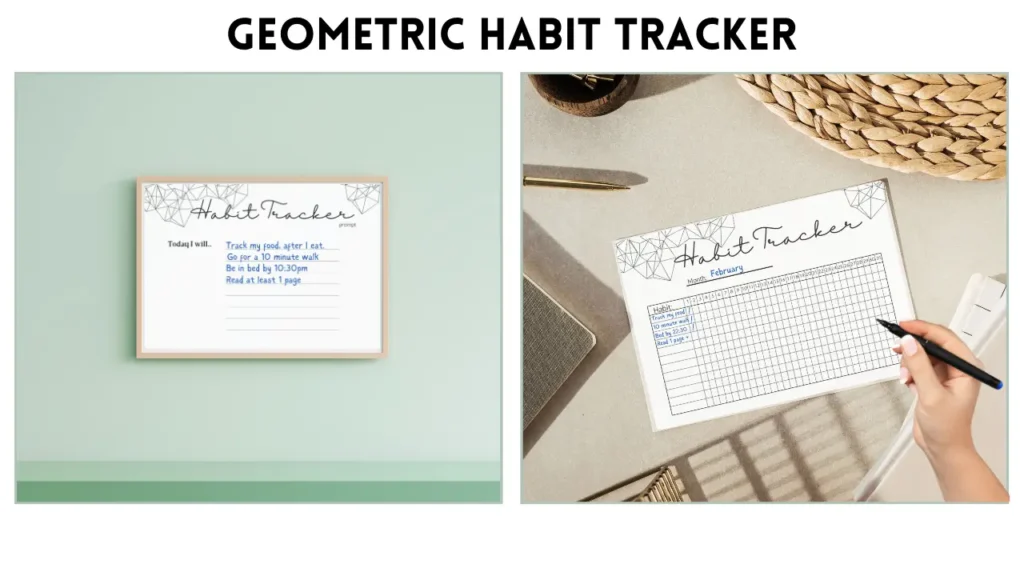
Make Healthy Habits Stick (Without the Overwhelm!)
Your simple, no-stress way to build habits that actually last.
✅ Track daily progress with ease
✅ Stay motivated with powerful prompts
✅ Make small, sustainable changes—one checkmark at a time
Ready to take control of your habits?
Think of it like learning to walk. Babies don’t wake up one day and sprint across the room. They wobble, fall, and get back up. The same idea goes for healthy eating. You’re going to have “wobbly” days, and that’s okay.
Maybe you eat too much sugar at a birthday party or order pizza because the day spiraled out of control. Who cares? You’re human. Progress isn’t about avoiding the slip-ups; it’s about reminding yourself that one misstep doesn’t erase all the good things you’ve been doing.
Here’s a quick reminder: don’t wait to have the perfect plan in place before you take action. Perfection is just procrastination in disguise. The sooner you embrace messy, imperfect action, the sooner you’ll start seeing little wins that bring you closer to your goals.
How to Track Tiny Wins for Motivation
We’ve all been there—you’re a month into making changes, and it feels like nothing is happening. The scale hasn’t budged, your jeans still fit the same, and you’re wondering why you’re even bothering.
The thing is: progress doesn’t always scream at you. Sometimes, it’s the quiet, sneaky kind that builds momentum over time. That’s why tracking those tiny wins can be a total game-changer (yes, even if it feels silly at first).
One of the simplest tools you can use is a habit tracker. Whether it’s a cute app on your phone, a printable chart stuck to your fridge, or just a notebook—having a visual way to see your progress can boost your motivation like crazy.
Let’s say you’re aiming to drink more water every day. Every time you hit your water goal, you check off the day or use a cute sticker (because who doesn’t love stickers?). Over time, that growing row of checkmarks reminds you of the effort you’re putting in—and that feels good.
Another idea? Jot down small victories in a journal or notes app. Did you skip the drive-thru today and pack a lunch? Write that down. Did you choose a side salad instead of fries? Yup, that counts too.
When you track those wins, no matter how tiny they seem, you’ll realize just how much progress you’re making. A step forward is still a step forward, even if it’s not as dramatic as you hoped.
Still feeling stuck? Make it fun. Turn it into a friendly challenge with your kids or partner. Whoever drinks the most water in a week gets a mini prize (or bragging rights). Or create a rewards system for yourself—a new pair of leggings or a trip to your favorite coffee shop when you consistently hit a habit for a month. Celebrating the tiny milestones keeps you motivated because it reminds you that your effort matters.
Here’s the beautiful thing about focusing on progress: it builds confidence. The more you recognize those small wins, the easier it becomes to believe in your ability to create lasting change.
And guess what? Feeling confident in yourself makes food guilt shrink to the background. Over time, you’ll see that you don’t need to be perfect. You just need to keep showing up for yourself, one baby step at a time.

Food guilt doesn’t have to run the show anymore.
By shifting your mindset—seeing food as fuel, creating space for enjoyment, and prioritizing progress over perfection—you’re setting yourself up for something way more sustainable and, honestly, a lot more fun.
These small but super-transformative steps not only help ditch the guilt, but they also make eating feel simple again, like it’s supposed to.
Here’s the best part: even tiny actions, like pausing to ask yourself what you need or celebrating a small win, can build massive momentum over time.
It’s just like BJ Fogg’s idea of stacking small habits. You don’t need to overhaul everything today—just start messy, start imperfect, and keep showing up for yourself.
So, what’s one change you can try right now? Maybe it’s swapping judgment for curiosity or actually enjoying dinner without distractions. Either way, you’ve got this.
Remember, food is meant to fuel your body and bring joy—not guilt. Now’s the time to let go of the rules holding you back and take that first small step toward eating with balance and freedom.

If this post helped you in any way, please pin one of these images below!
It helps my blog tremendously. Thank you!