
Trying to lose weight can feel like an endless cycle—one step forward, two steps back. You set big goals, hope for perfect outcomes, and end up discouraged when life gets in the way.
For busy mums, balancing family, work, and self-care often makes the idea of perfection impossible. But here’s the good news: you don’t need perfection to see real, lasting progress.
By focusing on small, practical steps, you can build habits that fit into your life and lead to sustainable results. This guide is here to help you take the pressure off, make realistic changes, and feel good about what you accomplish, one step at a time.

Why Perfection is the Enemy of Progress
When it comes to weight loss, perfection sounds like the ultimate goal—but in reality, it’s often the biggest obstacle. As a busy mum, you’ve already got enough on your plate without the crushing weight of trying to “do it all perfectly.”
The truth is, striving for perfection doesn’t lead to the results you want—it creates stress, guilt, and burnout. Instead, embracing progress over perfection allows you to build healthy habits that stick, even when life gets messy.
Let’s take a closer look at why perfectionism can hold you back and how to shift to a more balanced mindset.
The All-or-Nothing Trap
How often have you thought, “I’ll start fresh on Monday” just because you had a chocolate bar or missed a workout? This is the all-or-nothing mindset, and it’s a common trap in weight loss journeys. It tricks you into thinking there’s no point in continuing if you’re not doing everything perfectly.
Researchers found that people who think in extremes, like everything being either good or bad, are more likely to lose and regain weight. This way of thinking connects those who try to control their eating with the difficulties they face when trying to keep weight off later.
Picture this: you commit to a meal plan, but by midweek, you grab takeaway after a long day. Instead of seeing it as a small bump in the road, you tell yourself it’s a failed week and decide to throw in the towel… until next Monday. Sound familiar? This cycle not only delays your progress, but it also eats away at your confidence.

The truth is, one treat or missed workout doesn’t undo all your efforts. Your body doesn’t judge you for taking a break—it responds to long-term consistency. Focusing on small, steady improvements like eating mostly balanced meals most of the time or moving more than you used to creates momentum. Progress doesn’t mean perfection. It means doing better than yesterday—one step at a time.
If you break free from the all-or-nothing mindset, you’ll find that even your so-called “imperfect” days matter. They’re part of your journey, not the end of it.
How Perfectionism Fuels Guilt and Frustration
Perfectionism usually comes with a nasty side effect: guilt. When you don’t meet the impossible standards you set for yourself, feelings of failure creep in. Instead of feeling proud for trying, you end up frustrated, doubting whether you’re capable of success at all.
Imagine trying to juggle school drop-offs, work deadlines, and cooking dinner every day—then expecting yourself to cook a separate “perfect” weight-loss meal, exercise for an hour, and drink two liters of water.
When it doesn’t all come together, you might hear an internal voice whisper things like, “Why can’t I do this?” or “I’ll never lose the weight.” (I know I did.) These negative thoughts only drain your energy and motivation.
This is why self-compassion is so important. Rather than beating yourself up, start celebrating your small wins. Did you pack a healthy lunch today? Did you take the stairs instead of the elevator? Those little moments of progress add up. Give yourself permission to be human.

As Dr. Kristin Neff, a leading researcher on self-compassion, explains, treating yourself with kindness when you struggle is key to breaking the cycle of self-criticism. Self-compassion means recognizing that setbacks are part of the human experience—not a personal failure. Instead of seeing mistakes as proof that you’re not good enough, you can reframe them as opportunities for growth (read more about self-compassion here).
Progress happens when you’re kind to yourself, even when things don’t go perfectly. Consider an approach where you focus on what you’re doing well, rather than what you didn’t get right. By letting go of the pressure to be perfect, you allow space for growth—and that’s where real change begins.
Stay tuned for the next section on how to create practical steps toward your goals without falling into the perfectionism trap. You’re going to love how much easier it feels when you give yourself grace.
Setting Realistic and Attainable Goals
When it comes to lasting weight loss, one of the most important things you can do is set goals that feel realistic and manageable. Many mums set overly ambitious goals, only to feel overwhelmed and give up when things don’t go perfectly.
But success isn’t about being perfect—it’s about creating a path you can actually stay on. Here’s how you can set attainable goals that fit your life and keep you motivated.
Break Down Large Goals
Big goals, like losing 30 or 50 pounds (13kg or 22kg), might feel exciting at first, but they can also feel intimidating. If your goal seems out of reach, it’s easy to lose motivation before you’ve even started. That’s why breaking larger goals into smaller, more achievable steps works so well—it creates a road map that feels doable.
Breaking big weight loss goals into smaller, doable steps can boost motivation and help you stick to your plan. Studies show that aiming for very large weight loss targets might lead to worse results in the long run. In contrast, setting smaller, achievable goals can help you make steady progress.
Instead of focusing on the end result, think about what small milestones you can aim for along the way. For example:
Start with a goal to lose 5 pounds in the first month. This feels less overwhelming while still being meaningful.
Focus on adding one or two healthy habits at a time, like drinking more water or preparing balanced dinners.

If exercise feels daunting, start by committing to 10-minute walks three times a week. Once that feels easy, increase the duration or frequency.
Breaking the big picture into these manageable chunks makes everything feel less overwhelming. Each smaller milestone becomes a stepping stone toward your larger goal, helping you feel more in control.
It’s also helpful to tie your goals to actions you can control, rather than outcomes. Instead of saying you’ll lose 2 pounds this week, focus on actions like cooking at home instead of ordering out. You can’t always control how quickly the weight comes off, but you can control your habits. And those habits are what lead to progress over time.
Celebrate Small Wins
When you’re on a weight-loss journey, it’s easy to get so focused on “the finish line” that you forget to notice the progress you’re making along the way. But celebrating small victories is one of the best ways to build motivation and keep yourself excited about the process.
Think of it this way: It’s like climbing a mountain with tiny rest stops along the way. Each stop gives you a reason to keep going and shows you how far you’ve come. Small wins aren’t just about the number on the scale. They can take many forms:

Did you choose a piece of fruit instead of that mid-afternoon chocolate bar? That’s a win.
Did you park farther away and add a few extra steps to your day? Another win.
Did you discover a healthy recipe your family actually loves? Total win!
Rewarding yourself for these moments doesn’t have to involve food or spending money. You can treat yourself to a quiet bath, watch your favorite show, or even take five minutes to sit and reflect on how your choices are paying off. Acknowledging these victories will remind you that the effort you’re putting in matters, even if the scale hasn’t moved as much as you hoped yet.
The act of celebrating builds momentum. You’ll find yourself more motivated to make the next healthy choice because you’ll remember how good it felt to recognize even the smallest achievement. Plus, this mindset helps shift the focus from being “perfect” to simply making progress—and that’s the key to staying consistent without burning out.
Building Sustainable Habits
Creating sustainable habits is the foundation of long-term weight loss. Real change doesn’t come from crash diets or unrealistic workout routines; it happens when small, consistent actions become part of your daily life.

The key is to make these habits fit into your schedule and feel manageable, so they stick for good. Let’s explore three ways you can start building habits that last.
Start Small and Stay Consistent
The idea of overhauling your lifestyle overnight is overwhelming. Instead, focus on one actionable change at a time—it’s less daunting and much easier to sustain. Tiny steps pave the way for big progress and help build confidence along the way.
Stanford behavior scientist BJ Fogg’s Tiny Habits methodology emphasizes starting with small, easy-to-achieve actions that naturally expand over time. By anchoring new habits to existing routines—like doing two squats after brushing your teeth or drinking a glass of water before your morning coffee—you create effortless, lasting change. The key is starting small enough that success feels inevitable, making it easier to stay consistent and build momentum.
For example, start with something simple:
Drink an extra glass of water each day.
Take a ten-minute walk after dinner.
Swap one sugary snack for a piece of fresh fruit.
These small shifts don’t demand much time or effort, but they start creating momentum. Over time, these little adjustments can snowball into meaningful habits. Think of it like planting seeds—consistent care lets them grow into something impactful.

The trick is to stay consistent. Even if some days don’t go according to plan, it’s okay. Progress isn’t linear, and that’s normal. Just pick up where you left off and keep moving forward. When those small changes become part of your routine, you’ll find that healthier choices eventually start to come naturally.
Choose Enjoyable Activities
Let’s face it—exercise should never feel like punishment. If you force yourself into activities you hate, it’s only a matter of time before you give up.
The solution? Find physical activities you genuinely enjoy. That way, staying active feels like something you want to do, not something you have to do.
Think about what you love or at least don’t mind doing. Hate running? Skip it! Walking, dancing, swimming, yoga, or even playing tag with your kids still count as exercise. The goal is to find movement that fits your lifestyle and puts a smile on your face.
Here are a few suggestions to make physical activity more enjoyable:
Add music or podcasts. A great playlist or an inspiring podcast can make any activity more fun.
Make it a family affair—take the kids on a hike, bike ride, or play an outdoor game together.

Try experimenting. Take a dance class, try an at-home workout on YouTube, or go for a relaxing swim.
By choosing activities you like, you’re more likely to stick with them. Over time, what once felt like a chore will turn into something you look forward to—a break from your busy day rather than another item on your to-do list.
Meal Planning Made Simple
As a busy mum, you don’t have hours to spend prepping complicated meals. Or maybe you don’t want to..
The good news? Eating healthy doesn’t have to mean slaving away in the kitchen. With a little planning and a few simple strategies, you can create meals that are both quick and nutritious.
Research suggests that meal planning is associated with a healthier diet and reduced obesity risk. A study published in the International Journal of Behavioral Nutrition and Physical Activity found that individuals who regularly plan their meals tend to have a more varied diet and better nutritional quality. Moreover, meal planners were less likely to be overweight or obese.
Here’s how to make meal planning easier:
Focus on balance. Aim for meals that include lean protein, a healthy fat, and colorful vegetables. For instance, grilled chicken with roasted broccoli and quinoa is a fast and balanced option.

Cook in bulk. Make large batches of family-friendly meals like soups, casseroles, or grilled chicken. Store leftovers for quick lunches or dinners later in the week.
Plan theme nights. Assign each day a simple theme to eliminate decision fatigue. For example:
Monday: Meatless (vegetarian-friendly stir-fry or pasta)
Tuesday: Tacos (lean protein with plenty of vegetables)
Wednesday: One-pot meals (chili, stew, or curry)
Thursday: Leftovers
Friday: Fish or seafood (baked salmon or shrimp with roasted vegetables)
Saturday: Build-your-own bowls (grain, protein, veggies, and healthy toppings)
Sunday: Slow cooker or meal prep (prepare a larger meal to start the week)
Prep ingredients ahead. Wash and chop vegetables, cook grains, or marinate proteins when you have extra time. Even preparing just one or two items in advance can save you time during busy evenings.

By simplifying how you think about food, you’ll cut down on stress and decision-making during the week. Plus, you’ll always have healthier options at your fingertips, making it easier to avoid ordering takeout. When meals are easy to prepare, eating well becomes a habit that fits right into your routine.
By starting small, focusing on enjoyable activities, and simplifying your approach to meal planning, you can create healthy habits that stick. These changes might seem small, but they hold the power to transform your lifestyle over time—without the stress of aiming for perfection.
Overcoming Common Challenges
When it comes to sustainable weight loss, challenges are bound to pop up. Life is busy, unpredictable, and often overwhelming—especially for mums who are always juggling responsibilities.
But here’s the thing: overcoming these obstacles doesn’t require perfection, just practical strategies. Let’s talk about some common struggles and, more importantly, how to tackle them head-on.
Managing Emotional Eating
Emotional eating is a struggle many of us mums face. Whether it’s stress from a long day, exhaustion, or even boredom, food often becomes a source of comfort. But those moments of relief can quickly turn into frustration when they derail your weight-loss efforts.
According to the Cleveland Clinic, emotional eating is a common response to stress and can make it harder to maintain a balanced approach to food. (Read more here)

So, how do you manage emotional eating? Start by identifying your triggers. Ask yourself: What leads me to reach for food when I’m not hungry?
It could be specific situations, like your kids having a meltdown, or feelings of anger, sadness, or anxiety. Keep a journal to track these patterns—it’ll help you spot recurring themes. Even just writing in your notes app on your phone can work well.
Once you understand your triggers, focus on healthier coping strategies. Here are a few ideas to get you started:
Find a non-food outlet for stress relief. This could be as simple as going for a walk, practicing deep breathing, or calling a supportive friend.
Take a five-minute pause before reaching for a snack. Use that time to reflect: Are you actually hungry, or are you trying to soothe an emotion?

Keep healthier snacks on hand for those times when you’re tempted. Fresh fruit, yogurt, or a handful of nuts can satisfy cravings without adding guilt.
Consider creating a “self-care list” of quick activities that make you feel good—listening to music, stretching, or even reading a couple of pages from a favorite book.
Remember, emotional eating is normal, and beating yourself up about it only makes things harder. Focus on progress, not perfection. Every time you choose a healthier way to cope, you’re reinforcing a positive habit and building resilience.
Finding Time When You’re Overwhelmed
If you’re like most mums, the thought of finding time to work out or prepare healthy meals can feel impossible. Between work, school drop-offs, and endless to-do lists, your day is packed before it even starts. But here’s the truth: you don’t need hours each day to make progress. Even small pockets of time can make a big difference.
Prioritize short, realistic workouts. You don’t need a gym or a strict routine. A 10- to 15-minute session can fit into almost any schedule.
Research from ACE Fitness highlights the benefits of micro-workouts, showing that short bursts of exercise can still improve fitness and overall health. Can’t find time alone?

Involve your kids. Turn playtime into exercise by having a dance party, playing tag, or even doing stretches together. Not only does this keep them entertained, but you’re also showing them the importance of staying active.
Consider breaking movement into bite-sized chunks throughout the day. For example:
Go for a brisk walk during your lunch break or while the baby naps.
Do squats while folding laundry.
Take the stairs instead of the elevator when running errands.
When it comes to meals, focus on simplicity over complexity. Use shortcuts like pre-chopped veggies, frozen fruits, or rotisserie chicken to save time without compromising on health.
Batch cooking on weekends can also help lighten the weekday load. And remember, progress isn’t about doing everything perfectly—it’s about working with the time you have, not against it.
Building a Supportive Environment
Let’s be honest: trying to lose weight without support is like climbing a steep hill with a backpack full of rocks. A supportive environment makes all the difference, and it’s something you can create, even if your current situation feels less than ideal.

Start by sharing your goals with people you trust. Whether it’s your partner, a close friend, or a family member, letting them know what you’re working toward helps them understand how to support you. For example, ask your partner to join you for a healthy dinner or encourage your family to go on a Sunday morning walk together.
If in-person support feels hard to come by, look for online communities or groups. Social media platforms and forums are full of like-minded mums facing the same struggles. They’re a great place to trade tips, celebrate wins, and find encouragement when you’re feeling stuck. You’re more likely to stay motivated when you know others are cheering you on.
Beyond people, your environment plays a huge part in your success. Here’s how to set yourself up for success at home:
Stock your kitchen with healthy, easy-to-grab snacks like yogurt, nuts, or veggies with hummus.

Keep tempting treats like chips or cookies out of sight or limit how much you buy. Out of sight, out of mind.
Make your workout space inviting, even if it’s just a corner of your living room with a yoga mat and resistance bands.
Most importantly, remember this: you deserve support. Whether that’s asking for help with child care to make time for yourself or reaching out to an online group for encouragement, don’t hesitate to advocate for what you need. Building a supportive environment takes effort, but it’s one of the best investments you can make in your journey.
Facing challenges while trying to lose weight is normal, but these actionable strategies can help you move forward, no matter what life throws your way.
Shifting Your Mindset for Long-Term Success
If you’ve been caught in the cycle of starting and stopping your weight loss journey, you’re not alone. The problem often lies in how we frame success. It’s easy to focus on quick fixes or rigid rules, but real, lasting change is about making your efforts work for you.
By shifting your mindset to embrace flexibility and consistency, you’ll set yourself up for long-term success. Let’s dive into how you can refocus your approach to create a healthier relationship with food, exercise, and self-care.

Embrace Flexibility
Life is unpredictable, and sticking to a rigid plan rarely works in the long run. One sick child, an unexpected meeting, or even a weekend celebration can throw your so-called “perfect” schedule out the window. That’s why adaptability matters. Learning to go with the flow—rather than punishing yourself for every deviation—can help you stick with your goals for the long haul.
Weight loss isn’t about never missing a workout or perfectly following a meal plan every single day. It’s about what happens most of the time. If you miss a workout or indulge in dessert at a birthday party, it doesn’t mean you’ve failed. Think of your journey like a GPS: when you take a detour, it recalculates and gets you back on track. That’s flexibility in action.
Here are a few ways to build flexibility into your routine:
Have backup options: Can’t make it to the gym? A quick home workout or a walk outside can fill the gap.
Plan for indulgences: If you know a celebration is coming up, adjust other meals that day to balance it out without guilt.

Give yourself grace: Skipping one workout or having one off day won’t undo your progress. Think long-term.
By letting go of rigid expectations, you create room to adapt and recharge when needed. Research suggests that rigid dieting strategies are linked to higher levels of eating disorder symptoms and mood disturbances, whereas flexible approaches are associated with healthier outcomes and greater long-term success (Stewart, Williamson, & White, 2002). This makes it far less likely that you’ll give up altogether when life gets messy.
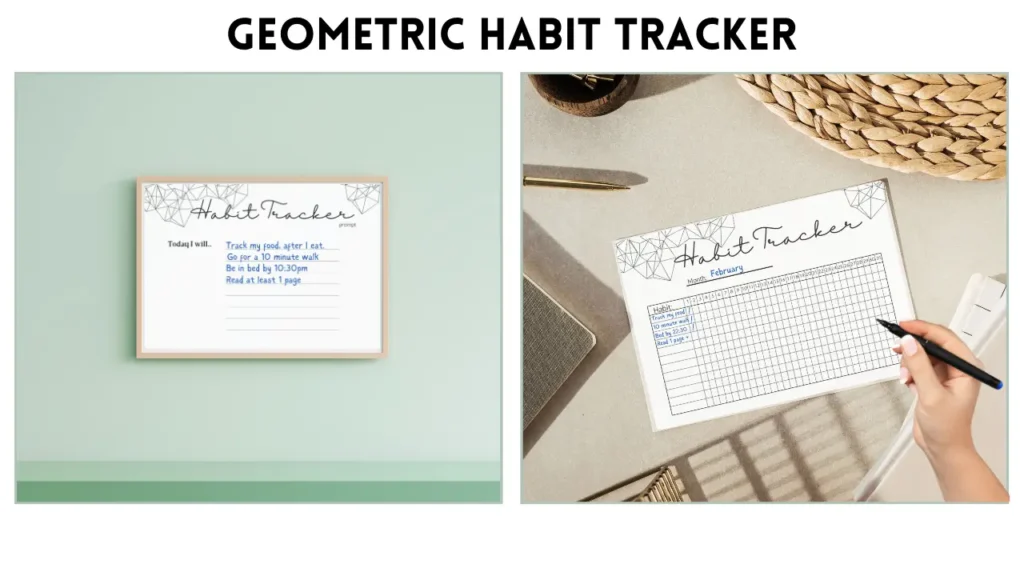
Make Healthy Habits Stick (Without the Overwhelm!)
Your simple, no-stress way to build habits that actually last.
✅ Track daily progress with ease
✅ Stay motivated with powerful prompts
✅ Make small, sustainable changes—one checkmark at a time
Ready to take control of your habits?
Focus on Consistency Over Perfection
If you’ve ever given up on your goals because you weren’t “perfect,” this section is for you. Often, we put so much energy into doing everything right that when things inevitably fall apart, we feel defeated. But here’s the truth: Consistency, not perfection, is what leads to results.
Imagine you’re filling a jar with pebbles. Each good choice—a balanced meal, a 20-minute workout, saying no to that extra helping—is another pebble added. Maybe some days, you’ll add a handful; other days, only one or two. As long as you keep adding, the jar starts to fill. Missing a pebble here and there doesn’t matter—as long as you don’t stop filling it altogether. The little things really do add up.
Here are practical ways to focus on consistency:
Set realistic expectations. Instead of committing to unrealistic goals like daily workouts, aim for three to four times a week. If you go beyond that, it’s a bonus.
Create small, repeatable habits. Drink a glass of water first thing in the morning or prep your snacks the night before. Over time, these tiny actions become second nature.
Track progress, not perfection. Maybe you followed your plan five days this week instead of seven—celebrate that effort! Avoid an all-or-nothing mindset.

Consistency allows you to build momentum. Those good choices, repeated over and over, become habits. And when you have habits, you no longer need to rely on motivation alone. A missed day or two doesn’t derail you because you’ve created a foundation strong enough to carry you forward.
By embracing flexibility and prioritizing consistency, you can shift from a mindset that demands perfection to one that values progress. It’s this approach that turns short-term efforts into sustainable, lifelong success.
Chasing perfection will only leave you frustrated and exhausted. Instead, focus on small actions you can build on over time. Every healthy choice you make, no matter how minor it seems, is progress—and that’s what truly matters.
Give yourself the grace to be imperfect. Celebrate the small wins, learn from challenges, and keep moving forward. Sustainable weight loss isn’t about what you accomplish in a week or even a month. It’s about creating habits that fit your life and letting those habits grow into long-term success.
You’ve got the power to create change—not by being perfect, but by being consistent. Start small. Keep going. You’ll get there.

If this post helped you in any way, please pin one of these images below!
It helps my blog tremendously. Thank you!