

Okay, so let’s get honest here—going to bed at a decent hour sounds easy enough, right? But most nights, it feels like your brain has other ideas (suddenly, cleaning under the couch or scrolling through ALL the cute puppy videos seems urgent… ).
When you don’t get enough sleep, your body and mood pay the price—groggy mornings, fuzzy thinking, and energy dips that hit harder than your third cup of coffee.
You deserve to wake up actually rested, not crawling out of bed like a zombie. A regular bedtime is important for better focus, steady energy, and happier mornings.
So, what’s next? I’ve got three simple tricks to help you make it to bed on time—no guilt, no lectures, just real stuff you can try tonight. Let’s do this!
Understanding Why You Struggle With Bedtime
Sneaking in “just one more” episode or scrolling through your phone long after yawns hit—yeah, you’re not the only one. Wanting more sleep and getting more sleep? Totally different stories.

If you ever feel like your brain turns into a rebel when bedtime rolls around, you’re in good company. Let’s figure out why getting to bed is way harder than it should be—and how knowing what’s really going on (inside your head and all around you) can flip your habits faster.
The Science Behind Sleep Procrastination
There’s actually a name for the whole “staying up past your bedtime for no good reason” thing. It’s called sleep procrastination, and it messes with more people than you’d think.
Research shows that people who regularly delay going to bed often end up with:
Lower sleep quality
More daytime fatigue
It’s that frustrating cycle: you know you should sleep, but something keeps you scrolling, watching, or just not moving toward the pillow. You know when you’re exhausted, but do EVERYTHING except put on your PJs and brush your teeth? Classic move.
So, what’s happening? A few culprits show up, time and time again:
You want more control. After a packed day, your brain craves “me time.” Staying up feels like grabbing a little freedom, even if you’re trading it for next-morning regrets. (This is more than likely the one that hits home most for us mums.)
Your brain loves excitement. TV, TikTok, and late-night snacks? Your brain gets hooked on that quick pleasure—much more fun (in the moment) than just shutting down.
Your body clock is stubborn. For some, your internal clock (also known as your circadian rhythm) is naturally set a bit later. This misalignment, often referred to as Delayed Sleep Phase Syndrome, means your natural sleep-wake cycle doesn’t align with societal norms, making early bedtimes challenging.
Stress keeps you wired. Even when you’re tired, worries and thinking loops can crank up the mental noise, making it tough to power down.

All this together means you might KNOW you should head to bed…but you keep finding reasons to stay up. It’s not just you “being lazy.” Your mind and body are doing their dance—a sometimes awkward, totally real tug-of-war trying to claim the remote.
Identifying Your Personal Roadblocks
The reasons for late nights aren’t always the same for everyone. You’ve got your own set of “sleep thieves”—some sneaky, some more obvious. Figuring out YOUR roadblocks makes everything easier.
Let’s get curious about what’s really going on. Try asking yourself:
Tech Trouble: Are you glued to your phone, TV, or laptop before bed? Blue light from screens tells your brain it’s daylight, so it holds off on releasing sleep hormones. Exposure to blue light in the evening can suppress melatonin production, the hormone responsible for sleep, thereby delaying sleep onset.
Mind Like Popcorn: Is stress or overthinking keeping you up? You might replay the day or worry about tomorrow—your pillow turns into your personal anxiety station. Studies have shown that stress experienced before bedtime can increase the time it takes to fall asleep and negatively impact sleep architecture.

No Set Routine: Are your evenings all over the place? Random bedtimes, eating late, chugging caffeine—these can all wreck your natural sleep cues.
“One More Thing” Fever: Do you keep finding “important” things to do—cleaning, emailing, TikTok rabbit holes? If everything feels urgent at night, bedtime gets pushed back, every time.
Spotting your main habits can change the game. Implementing a consistent bedtime routine, reducing screen time before bed, and creating a relaxing sleep environment are effective strategies to combat sleep procrastination.
Here are a few classic obstacles people battle:
Staying up to “catch up” on lost free time. This behavior, termed “revenge bedtime procrastination,” reflects a desire to reclaim personal time at the expense of sleep, often due to daytime stress or lack of leisure.
Letting TikTok, Netflix, or YouTube autoplay eat up the night

Worrying or overplanning once the house is quiet
Eating snacks or drinking caffeine late in the evening
Trying to fix your whole week at 11:30 p.m. (sudden life organization urge—we see you)
Write your main issues down or just keep them in your head—but be honest. If you want to shift bedtime, knowing what trips you up is like having a cheat code. Self-awareness isn’t just a buzzword; it’s your first tool for actually building habits that stick.
Ready to outsmart your bedtime brain? Keep reading…
Easy Way #1: Set and Protect a Consistent Sleep Routine
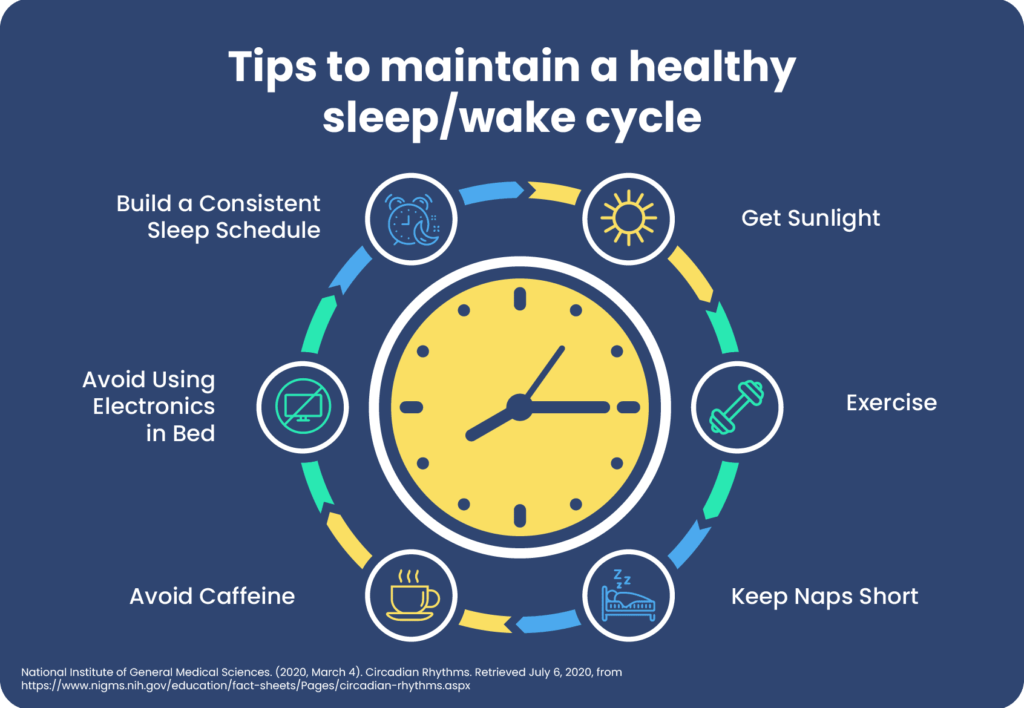
Let’s talk about the most straightforward fix that almost nobody does (on purpose, at least): going to bed and waking up at the same times every day. Sounds way too easy, right? But keeping your routine locked in signals your brain and body that sleep isn’t some random surprise. Instead, it’s as expected as your morning cup of coffee or that post-lunch yawn.
Getting regular with your sleep and wake times teaches your body clock what’s up—which is how you start falling asleep faster and waking up clear-headed (not groggy or glued to the sheets). If the idea of an “8 p.m. every night” shutdown makes you roll your eyes, don’t worry. There‘s a better way. Here’s how to actually get a routine that your life can handle…and yes, even on weekends.
Establish a Realistic Bedtime
Your body loves a routine — even if your weekend brain doesn’t.
Sticking to a consistent sleep schedule, yes, even on weekends, helps keep your internal clock in sync. And when your body knows what to expect, it’s way easier to fall asleep and wake up without a struggle.
According to the Division of Sleep Medicine at Harvard Medical School, staying consistent with your sleep and wake times helps your natural rhythms stay steady — which can make sleep feel less like a nightly battle and more like a habit that just… works.
Let’s be honest: choosing a bedtime that sounds good but doesn’t match your actual life? That’s a setup for frustration. It’s like trying to squeeze into jeans you hope will fit later — but deep down, you know they’re just not built for sitting down.
What works better? A bedtime that’s realistic, not aspirational. One you can stick to most nights without feeling like you’ve already failed before the day’s over.
To nail down a bedtime that fits your reality, look at:

Your mornings. What time do you really need to get up? Not “if everything’s perfect”—I mean, the minimum wake-up that doesn’t wreck your day.
Night commitments. You have stuff—maybe work, family, errands, or Netflix dates with yourself. Be honest about your schedule.
How much sleep you need. Most adults need 7-9 hours (don’t trust “I only need 5” unless you’re a robot in disguise). Think realistic, not heroic.
Wiggle room. You aren’t a sleep robot. Life happens. Build in some grace for a late night here or there, but aim for at least five nights a week sticking to your set time.
Put it together:
Count backward from your wake-up time the number of hours you want to sleep. For example:
Wake-up: 6:30 a.m.
Need: 8 hours of sleep.
Fall asleep buffer: 15 – 30 mins
Bedtime target: start winding down by 9:30 p.m.—in bed by 10:00 (lights out).
Double-check: Can you stick with that, even if something pops up once or twice a week?
Set your goal. Consistency wins every time over perfection. You’ll notice, after about a week, you’ll start feeling sleepy around your chosen time (it’s not magic—it’s your body clock, finally getting the memo).

Tip: Don’t shift your bedtime by more than 30 minutes on weekends. Late-night parties? Fine, just try to get back to routine the next day. Your body will thank you with fewer Monday-morning regrets.
Use Reminders and Cues to Trigger Your Wind-Down
Sometimes your body just needs a little heads-up that it’s time to slow down.
Simple things — like setting a reminder, dimming the lights, or slipping into your wind-down routine — can act as gentle cues that say, “Hey, it’s almost bedtime.”
According to the National Sleep Foundation, sticking with a regular sleep schedule doesn’t just help you fall asleep easier — it can also boost your mental clarity, physical health, and even day-to-day performance.
So yeah, those little habits? They add up.
Try these simple tricks:
Set an alarm on your phone. Not for waking up—to trigger your wind-down. Label it “Time to chill” or “Stop scrolling, go brush your teeth.” Make it playful (or bossy) if you need that extra nudge.
Smart home routines. If you have a smart speaker or lights, set them to dim or play calming music at a set time each night. Sudden soft lighting is a classic “uh-oh, time to wrap it up” cue.

Old-school visual cues. Place your pajamas out where you see them. Put a book or your favorite tea mug by your bed. These “props” signal it’s time to start shutting things down.
Habit stacking. Do your wind-down routine the same way each night: maybe you wash your face, fill up your water, then put your phone on “Do Not Disturb” before reading or stretching. The order itself becomes its own sleepy-time signal.
Here are a few reminders that actually work (not just wishful thinking):
Phone alarm at 45 minutes before target bedtime: “Time for PJs and brushing teeth.”
Lamp by your bed on a smart timer: turns on dimly at 30 minutes before bed.
TV off automatically using a smart plug or sleep timer.
Soft music playlist (or even a boring podcast, if that’s your thing) starts up as you start your routine.
The name of the game is not making this a big deal. If you mess up, reset the next night. What matters is that these gentle cues train your brain to expect sleep. Over time, it becomes autopilot.
No more “Where did the night go?”—you’ll just head to bed, without a dramatic internal debate every single night.

Easy Way #2: Create an Inviting Pre-Bedtime Ritual
If the idea of bedtime feels like a chore (or maybe a punishment—lookin’ at you, childhood flashbacks), this one’s going to flip things around. Think about it: Instead of running yourself into bed after a spiral of TikTok videos and last-minute texts, what if you actually looked forward to closing out your day?
Having a little wind-down ritual is like telling your brain, “Hey, we’re done—time to let go.” Plus, it can make crawling under the covers feel more like a treat than a to-do. Here’s how to pull it off, even if you’ve always hated the idea of a “night routine.”
Build a Relaxing Routine That Works For You
A calming bedtime routine isn’t just nice — it can actually make a big difference in how well you sleep.
According to the Sleep Foundation, doing relaxing things before bed (think: reading, a bit of gentle stretching, or even a few minutes of meditation) sends your body a clear message: “It’s time to slow down.” And when your body gets that message? Falling asleep becomes way easier.
But… there’s no perfect routine that works for everyone.
Maybe your best friend swears by journaling. Your partner’s into a 10-step skincare ritual. You? You might just want five quiet minutes and a pair of cozy socks.
The point is: your routine should fit you — your life, your energy, your mood. Not someone else’s wellness checklist.
Try mixing and matching from these ideas:

Read a book (a real book is best – no devices)
Gentle stretching or even a few lazy yoga moves—just enough to unkink your neck and get rid of that day-long tension
Simple skincare—could be as quick as a face wash and moisturizer
Journaling or brain-dumping—not Dear Diary-level unless you want, but just scribbling a few thoughts down to clear your head
Five-minute meditation or breathing exercises—literally just sitting still, closing your eyes, and breathing (it’s easy, nobody’s judging you)
The best part? You don’t need to do everything or follow some influencer’s checklist. Pick one or two things that feel good. If it helps, create a little menu for yourself—a “choose your own adventure” bedtime. Sometimes you might want to stretch, other nights you want to flop on the bed with a book and nothing else.
A few key moves to make your routine extra inviting:
Light a candle or turn on a soft lamp—It instantly shifts the vibe — kind of spa-like, or at the very least, not like a dentist’s office.

Bonus? Research backs this up. A study published in Clocks & Sleep found that college students who dimmed the lights, reduced screen time, and practiced relaxation techniques fell asleep more easily and slept better overall.
Slip into comfy pajamas—yes, changing out of your daytime clothes is a real signal to your brain to slow down
Set up your bed before you start your ritual—pull back the covers, fluff your pillow, get it ready so you WANT to dive in
You’re not aiming for perfection. You’re just giving your mind and body small hints that it’s time to chill out so sleep doesn’t feel like a sudden crash landing.
Minimize Stimulation to Encourage Sleepiness
Our brains are basically goldfish—they chase after whatever’s brightest and loudest. If you keep things noisy, harsh, or stressful close to bedtime? You’ll stay wide awake, even if your body’s wiped out.
To get the most out of your wind-down, make your space—and your mind—a bit more boring (yep, boring is magic before bed). Here’s how you can do it:
Drop the brightness.
Turn off main lights about an hour before you want to sleep. Use a lamp, string lights, or even a salt lamp.

The softer the light, the faster your brain says “okay, let’s snooze.”
Avoid screens, or at least tame the blue light.
Phones, TVs, computers—they blast your brain with blue light, which messes with melatonin (the sleep hormone you actually want).
Set a “last screen” alarm, slap on those blue-light glasses, or switch your devices to “night mode.”
Want extra credit? Keep your phone OUT of the bedroom. Old-school, but freakishly effective.
And there’s science behind that, too. According to the Sleep Foundation, the blue light from phones and screens can mess with your melatonin levels — that’s the hormone that helps you fall asleep.
So the more you reduce bright light (especially from screens), the easier it is for your body to shift into sleep mode.
Clear your head of busy stuff.
Ditch any stressful tasks close to bed. No late-night work emails, to-do lists, or deep convos about where your life is headed.
Try “brain dumping”—write down anything swirling in your head just to get it out and off your mind.

Choose calming over chaos.
Save action-packed video games, intense shows, or super-loud music for earlier in the evening.
Tame your playlist. Easy-going music, white noise, or even a podcast with a droning voice can be your friend. (Hey, whatever works.)
To sum it up, dial things down—sound, light, stress, all of it. Think cozy, soft, and simple. You’re not making your bedroom look like a meditation retreat (unless you want), but you ARE making it easy for your brain to switch gears.
If you start building your own little ritual and make things just a smidge less stimulating, you won’t have to force bedtime. You’ll actually start wanting it, and your nights—and mornings—will feel way better.
Easy Way #3: Set Boundaries With Electronics and Social Media
Let’s get honest for a minute—those late-night phone scrolls? Yeah, they’re fun for like five seconds, but then it’s 1:30 a.m. and you’re wide-eyed, mind zipping.
It happens to everyone. Your phone, TV, and tablet are like cozy little sleep thieves in disguise. If you’re serious about going to bed on time, you have to lay down the law with your devices.

Setting boundaries doesn’t mean cutting out all your fun; it just means you call the shots (not your phone notifications).
The trick is to make it super easy to use tech less before bed and less tempting to sneak in just one more meme or one more episode. Start with these two moves—it’ll make a bigger difference than you think.
Implement a Digital Curfew
A digital curfew sounds dramatic, but don’t worry, you get to run the show. This only means picking a time each night when you stop using electronics—phones, tablets, TV, all of it. You draw a line in the sand, so your brain gets a hint that it’s almost sleep time.
Lots of people find this weird at first. But honestly, your brain LOVES a little routine, and screens before bed are like turning on every bright light in your house right before you’re supposed to get drowsy.
Even “harmless” scrolling pumps your mind full of blue light and extra thoughts—no wonder it’s tough to shut down. And yep, the science backs it up.
Studies show that using screens in bed is linked to shorter sleep and a higher risk of insomnia — basically, your late-night scroll isn’t as harmless as it feels in the moment.

Ready to try? You don’t have to be strict all at once. Start small:
Pick your curfew: One hour before you want to sleep is magic, but 30 minutes still helps if your evenings are wild or unpredictable.
Set a repeat alarm: Use your phone to remind you. Silence your notifications after your cutoff. Out of sight, out of mind.
Tell your friends and family: Let people know you’re “offline” after a certain time. No guilt for missed late-night group chats!
Plan a wind-down swap: Decide what you’ll do once your curfew starts. Reading, a hot shower, stretching, making tomorrow’s to-do list with pen and paper—anything but scrolling.
Don’t worry if you forget! Reset the next night. Each day you stick to your digital cut-off, your body responds with better sleep clues.
And the numbers are pretty eye-opening: Just one extra hour of screen time in bed can mean 24 fewer minutes of sleep — and a 59% higher chance of insomnia.
So yeah, that late-night scroll? It adds up fast.
You’ll notice falling asleep feels easier and less dramatic—no more lying there, wide awake, replaying TikToks in your head.
If you work late or have a packed schedule, be flexible with your curfew. Even 15 minutes of screen-free time makes a real difference if that’s all you’ve got.
No need to make this stressful. It’s not about being perfect—it’s all about letting your brain settle down, so you actually feel sleepy at bedtime.
Here’s a quick checklist to make it stick:
Set your curfew alarm to repeat every night.
Use “Do Not Disturb” to mute non-urgent texts and pings.
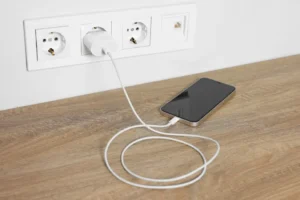
Plug your phone in outside your bedroom (or across the room).
Turn off autoplay on apps and streaming services so one show doesn’t turn into five.
Think of this as putting your devices to bed before you go to sleep. Give it a shot and watch your brain thank you in the morning.
Make Your Bedroom a Screen-Free Zone
Your bedroom is for two things: sleep and relaxation. Keeping screens out is like telling your brain, “This space is serious about rest.” But if you’re used to having your phone glued to your side or falling asleep with the TV on, this move can feel strange (or totally impossible).
Here’s the secret: You don’t need to go full “tech cleanse” to see a change. A few small swaps and you’ll start to notice your room feels calmer—and your brain follows. Real life isn’t always some Pinterest-perfect retreat, but small shifts work!
Try these practical steps to swap screens for better sleep:
Charge devices out of reach: Plug your phone or tablet in across the room, or (better yet) outside the bedroom. No temptation to scroll if it’s not right there.
Get an old-school alarm clock: Feels weirdly vintage, works like magic. You won’t need your phone on your pillow “just in case.”

Replace TV time with something analog: Grab a real book or magazine, or try a crossword or sudoku puzzle. Old-school hobbies hit different at night.
Keep a lamp or reading light by the bed: A soft, gentle light feels cozy. Way better than the glow of a tablet or phone screen up close.
Set up a “no screens after X pm” basket: Drop your devices in when your digital curfew hits. Out of sight, out of mind. Make it a household habit, if you can.
Pick relaxing replacements: If you use your phone to wind down (music, meditation, audiobooks), load those onto a small speaker or a device that’s NOT your main phone—something that doesn’t buzz and beep with notifications.
Who says you need to stare at a screen to unwind? Try:
Coloring books (yes, grown-ups get to color too)

Journaling, doodling, or sketching
Writing tomorrow’s grocery list by hand (oddly soothing)
Gentle stretching or massaging your hands and feet
Some folks “cheat” by bringing their phone to bed for a sleep app. If that’s you, look for ways to listen while the screen is off, and keep it across the room, so you aren’t tempted to peek at notifications.
Screens in bed are sneaky. They seem harmless, but it only takes five minutes before you’re sucked back in. And it’s not just a hunch — a study in JAMA Network Open found that using screens before bed is tied to worse sleep quality overall.
So even those “just five minutes” can cost you more than you think. Keep your room cozy and screen-free, and you’ll find your mind calms down faster. Your bed becomes the place for real rest—not one more episode, not one last scroll, not just a few more emails.
Small tweaks. Big results. Your sleep routine—and your brain—will finally get the break they deserve.

Troubleshooting Common Challenges and Staying Accountable
You’re rolling along, doing okay, and then suddenly your plan to actually get to bed early? It sort of face-plants. Maybe your routine gets thrown out the window or those old habits sneak right back in (yep, TikTok at midnight, hi again).
Total normal stuff—everyone hits bumps. Here’s where you work with yourself, not against yourself. If you trip up, it’s not game over. You just need a few handy fixes and new ways to keep yourself on track (preferably without hating every second).
Let’s tackle a couple big speedbumps and, most importantly, keep the wins rolling with help and some old-fashioned celebration.
Coping With Inconsistent Schedules and Setbacks
Life gets messy. Maybe one night you’re up late after a weirdly long work Zoom. Or maybe you totally lose track of time at your best friend’s place… and now you’re staring at the clock, kicking yourself for another late night.

Here’s the thing—nobody sticks to a perfect bedtime every night. Not even the “self-care” people on Instagram. You’re human.
Give yourself a pass. Seriously. Treat slip-ups like spilled coffee, not a five-car pileup. If you fall off, don’t turn it into a “so what’s the point?” mood. Instead:
Notice what happened, but don’t shame yourself.
Reset tomorrow. Remember: one late night won’t wreck everything.
Adjust, don’t abandon. If you know Thursdays will always run late, just shift your Friday morning if you can. Or try to move bedtime consistency to weekends.
Stay flexible. Nobody gets it “right” 100% of the time.
Sometimes motivation tanks. Your brain gets cranky. Suddenly your new ritual seems stupid, and you want to rebel. When that hits:
Change things up. Swap your wind-down routine, try switching up the order, or go for something you actually like.
Remind yourself why you care. Is it to stop dragging yourself out of bed? To skip that daily headache? Remember the “why.”
Set micro-goals. If the big “every night” thing feels huge, do three nights a week and build from there.
Some days, sleep will lose out to fun, family, work, or random chaos. That’s real life. The win? Keep going anyway. That’s what gets you back on track faster, every time.
Even small improvements in your sleep quality can pay off big for your mental health.
A massive meta-analysis of 65 randomized trials (yep, science!) found that better sleep led to less anxiety, depression, stress — even rumination. Basically: sleep is free therapy with a duvet.
Get Support and Celebrate Progress
Everything’s tougher when you try to fix it alone. Want a secret weapon? Get other people or a little tech to watch your back and root for you.

Tell a friend what you’re doing. You don’t have to give them the gritty details. Just mention, “Hey, I’m trying to actually go to bed on time five days a week. Can you check in?” Or make it a low-stress challenge together. Misery LOVES company (but so does success, right?).
You don’t have to white-knuckle your way to better sleep. Studies show that having support—whether it’s a friend, a partner, or even a sleep app that cheers you on—makes it way easier to stick to new habits and actually feel motivated to keep going.
If you live with other people:
Share your goal. Ask for help staying quiet after a certain hour.
Ask someone to call you out (gently) if they spot “just one more episode” coming your way.
Turn it into a household thing (group bedtime, anyone?).
Tech can help if friends or roommates aren’t your thing. Try:
A habit-tracking app. Mark off your bedtime each night and watch those streaks grow. Feels weirdly satisfying.
Turns out, logging your sleep or tracking habits on your phone isn’t just for fun — studies show it actually helps you stick with your routine long-term. Tiny taps today, better sleep tomorrow.
Use calendar reminders or alarms that pop up with a “Good job yesterday!” message to nudge you and keep the good vibes alive.
Don’t forget to celebrate how far you’ve come. Most people only see where they fall short. Big mistake. Instead:
Keep a list. Each time you actually get to bed on time, write it down or snap a picture.
After a week or two, treat yourself. Doesn’t have to be wild. Maybe grab your favorite coffee or wear the comfiest socks you own—something that marks your win.
Tag your progress. Stick a star on your calendar. Brag (just a little) to someone who’ll be excited for you.

Here’s the magic: positive reinforcement makes this feel like a win, not punishment. You’ll start to WANT those wins because, well, they actually feel good.
There’s real science behind that warm-fuzzy feeling. Behavioral psychology shows that when you pair a habit with something rewarding, you’re way more likely to stick with it. Over time, your brain starts chasing the feel-good hit, not dreading the change.
Let your people cheer for you. High-five yourself. Watch your streak and remember—each “on time” night is a step closer to easy, natural, no-drama sleep.
Messed up? That’s normal. Got one win this week? That’s still progress. Get support, stack your little victories, and you’ll be way more likely to stick with it—even when your routine goes sideways.
Conclusion
Real talk—you don’t have to overhaul your entire life to start getting the sleep you need. Pick a bedtime that fits your world (not just some “ideal”), put a couple sleepy cues in place, build a wind-down ritual that feels good, and tell your electronics “not tonight.” Just try one of these moves tonight. Don’t stress about doing it all at once.
Every small step you take sends a message to your brain: “Hey, I’m ready to wake up feeling better!” The difference shows up fast. Clearer mornings, steadier moods, less dragging yourself through the day.
Start with one thing—you’ll be surprised how much easier it gets from there. Want to swap stories, brag about your first solid week, or share what works for you? Drop a comment or tell a friend. You’re not alone. Thanks for sharing your time with me—here’s to cozier nights and way better mornings.

You got this!
If this post helped you in any way, please pin one of these images below!
It helps my blog tremendously. Thank you!



![Why You Struggle With Bedtime as a Mom Trying to Get Healthier [2025 Guide]](https://beimperfectlyhealthy.com/wp-content/uploads/2025/05/tired-mum-768x512.webp)