
If you’ve ever dashed out the door with only coffee (or, let’s be real, a kid’s leftover pancake) and told yourself breakfast doesn’t matter that much—girl, I see you. Skipping or rushing through breakfast is pretty much a survival skill for moms, but when it comes to losing weight? Breakfast can actually be your secret weapon.
Maybe you’ve tried a bunch of diets—counted points, cut carbs, maybe even banned toast (oh, the horror). The results? Probably short-lived. But science keeps proving it: the right breakfast habits really do set you up for easier, longer-lasting weight loss. No more guessing or trendy fads.

You deserve tips that actually work with your life—not against it—so grab your coffee, take a breath, and let’s talk real solutions. Here’s to breakfasts that taste good, fill you up, and help you finally see results (without making your mornings harder). Oohhh, let’s do this together!
Start With Protein-Rich Foods for Longer Lasting Fullness
Ready for a breakfast that doesn’t leave you raiding the pantry before lunch? Let’s talk protein. This single tweak can change everything—seriously. If you’re tired of feeling hungry hours after breakfast, bumping up the protein might be your best move.
Eating more protein at breakfast (think eggs, Greek yogurt, or cottage cheese) pulls some pretty cool tricks with your hunger hormones. Not only does it help you feel fuller, but it keeps your energy steady, so you’re less likely to have that “I-need-a-snack-or-I’ll-lose-it” meltdown at 10 a.m. Curious how it all works and what to actually eat? Let’s get into the good stuff.
How Protein Influences Appetite Hormones
You know that empty, growly feeling in your belly—the kind that can totally hijack your morning? A big part of that comes from hormones controlling appetite. Protein waves a magic wand over a few key players:

Ghrelin: This hormone is like your “feed me now!” button. When your stomach is empty, ghrelin spikes and pushes you to eat. Protein can actually lower ghrelin levels for hours. Less ghrelin = less hunger.
Peptide YY (PYY): On the flip side, PYY is your “I’m full and good!” signal. Higher protein at breakfast boosts PYY. This tells your brain, “Relax, we’re satisfied.”
GLP-1: Another “I’m happy and full” hormone. High-protein breakfasts make your body release more GLP-1, which helps you stop thinking about snacks.
Bottom line? Go heavy on protein at breakfast, and your body gets a steady flow of “I’m full” signals. This makes it easier to stick to your goals without battling cravings all morning.
Easy High-Protein Breakfast Ideas for Your Routine
Nobody wants to spend forever in the kitchen. Good news—there are lots of high-protein breakfasts that are super quick and mom-friendly. You can have fast, yummy, and filling.
Here are some favorites you can pretty much make in your sleep:
Greek yogurt parfait: Grab plain Greek yogurt, layer with berries and a handful of granola. You get a creamy, protein-packed breakfast in two minutes.
Egg muffin cups: Whisk eggs, pour into a muffin tin with chopped veggies or leftover ham, bake, and stash in the fridge. Now you’ve got breakfast on the go for days.
Cottage cheese bowl: Top cottage cheese with sliced peaches or pineapple—sweet, salty, and takes one minute. It’s surprisingly filling.
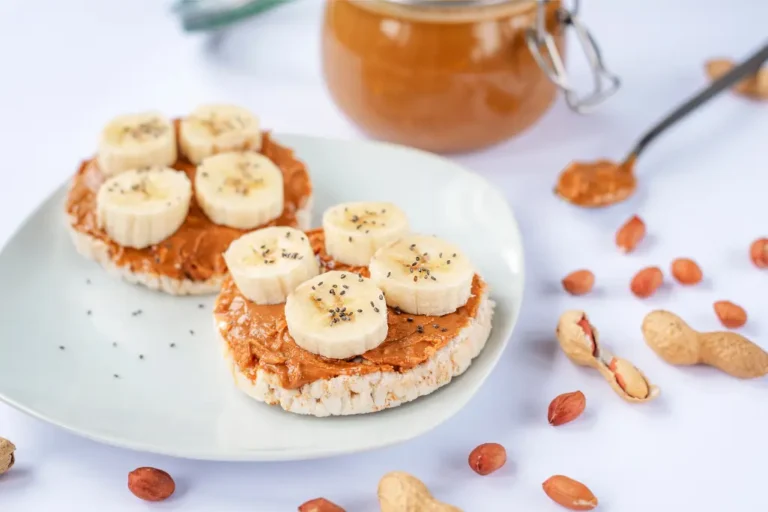
Peanut butter chia toast: Whole-grain toast, smear of peanut butter, sprinkle of chia seeds. Crunchy, nutty, and sticks with you all morning.

Overnight oats with protein powder: Mix oats, milk, a scoop of protein powder, and your favorite fruit. Let it sit overnight. Open fridge, grab spoon, eat.
When mornings get chaotic (because, let’s be honest, they always do), having a couple of these ready means you’re not skipping breakfast or reaching for “just a granola bar.”
Protein makes you feel like a rockstar mom with superhuman willpower. It’s not just a feeling—protein-rich meals support stable blood sugar levels and reduce energy crashes later in the day. And isn’t that what breakfast should do?
Never Skip Breakfast: The Power of Consistency
You grab your bag and keys, yell reminders about shoes, and hustle everyone out the door. Maybe you think, “I’ll just have something later.”
Spoiler alert: skipping breakfast isn’t doing your body (or your mood) any favors, especially if you’re serious about losing weight. No guilt here—this is real-life stuff!
Still, science says making breakfast a true habit can help your body and brain in more ways than you think.
Let’s talk about what really happens when you eat breakfast—every single day.
Metabolic Benefits of Eating Breakfast Regularly
There’s a reason people call breakfast “the most important meal of the day.” It’s not just because your grandma said so. When you eat breakfast, you set off a bunch of good things inside your body.
Picture your metabolism as a little campfire. If you leave it unattended, it fizzles out. When you feed it at the start of the day? It warms up, glows brighter, and works smarter. Skipping breakfast is like tossing a blanket over that fire—everything slows down.
Why does this matter for weight loss? Check it out:
Boosts Your Metabolism Early: Eating breakfast wakes up your body after sleep. Your blood sugar rises, helping you feel alert. Your body gets the signal: “We’re open for business!” This helps your metabolism run at a steady pace, making it easier to burn calories later.
Less Craving, Fewer Binges: Miss breakfast, and by 10 a.m. (or let’s be real, 9:12 a.m.), you’re ready to eat everything in sight. Research shows that skipping breakfast leads to more impulse eating and bigger meals later, as your body tries to “catch up.”
Better Blood Sugar Control: Regular breakfasts keep your blood sugar from spiking and crashing. Less up-and-down means fewer wild cravings and steadier energy.
Reduced Risk for Weight Gain: Get this—studies link skipping breakfast with greater risk for weight gain and stubborn belly fat. The people who eat breakfast regularly? They’re more likely to keep weight off for good. It’s not magic. Just steady, simple habits.
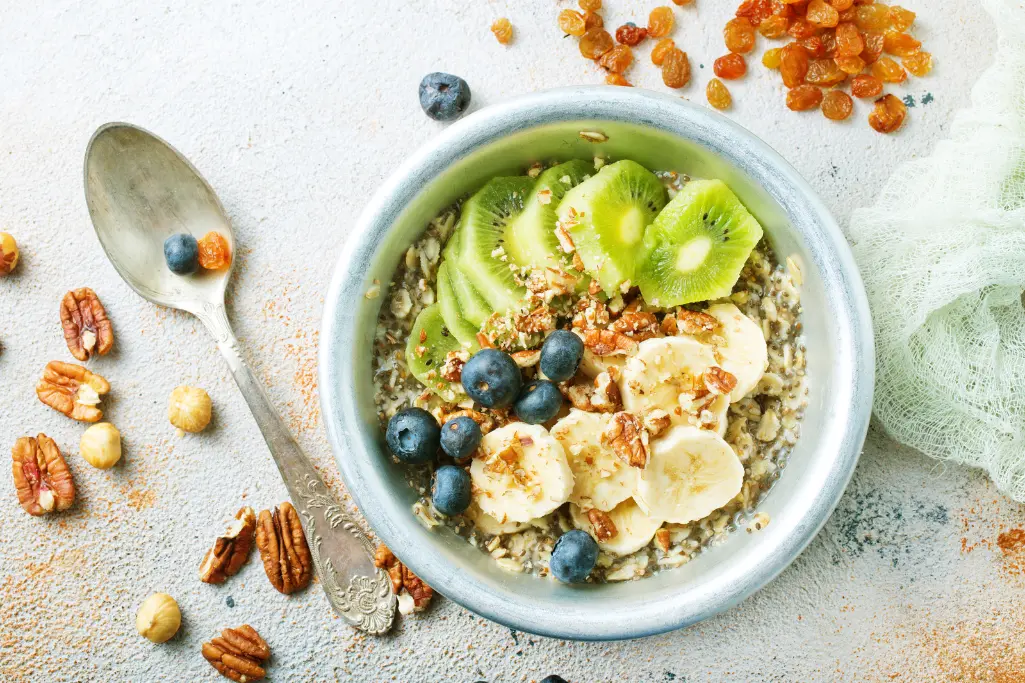
So, that morning rush where you think you’re “saving calories”? It usually backfires later in the day.
Consistency here really pays off—sort of like remembering to charge your phone. Skip it, and you’re paying for it all day.
Time-Saving Tips for Consistent Morning Meals
You want to eat breakfast. You just don’t want to wrestle your stove or wash four pans before noon. No judgment here!
Being consistent isn’t about cooking every morning—it’s about having a plan that’s faster than your to-do list.
Here’s how to make breakfast happen even on bananas-level busy mornings:
Batch Cook Like a Pro: Make egg muffins, protein pancakes, or breakfast burritos on Sunday night. Store them in the fridge or freezer. In the morning, pop one in the microwave, and you’re good.
Overnight Magic: Mix up overnight oats, chia puddings, or Greek yogurt parfaits ahead. Stack them in jars, line them up in the fridge. Grab and eat—no thinking needed.
Simple Grab-and-Go: Stock up on bananas, apples, string cheese, or whole grain English muffins. Pair a fruit and a protein, and you’ve got a real meal.
Bag It: Create breakfast “snack packs” with combos like nuts and dried fruit, or trail mix and a hard-boiled egg. Toss one in your purse or diaper bag.
Embrace the Blender: Toss everything into a blender (frozen berries, protein powder, yogurt) and take your smoothie in the car. Done in less than two minutes.
Let’s make this even easier. Lay out your breakfast stuff before bed, just like you do the kids’ backpacks.
You’ll be much more likely to eat when all you have to do is open the fridge, grab, and go. It’s like hacking your own morning chaos.
Here’s what some busy moms swear by for quick, solid breakfasts:
Breakfast muffins: Make a double batch and freeze. Nuke one while you pour your coffee.
Oatmeal packets: Toss in nuts, cinnamon, or dried fruit. Add hot water, stir, walk out the door.
Boiled eggs: Boil a dozen at the start of the week. Pair with fruit or toast.

Consistency doesn’t have to mean perfection. Some mornings, you’ll eat in the car. Some days, you’ll eat standing over the sink. That’s fine!
The magic is in the habit. Even if some days don’t look pretty, your body loves the routine. Isn’t it nice to win at breakfast before you walk out the door?
Add Fiber to Boost Satiety and Gut Health
When life is a flurry of lunch-packing, laundry-folding, and lost-shoe-chasing, stopping to add more fiber to your breakfast might sound like… well, one more thing. But let’s be honest—anything that keeps you full, makes your gut happy, and helps you dodge those nagging 10 a.m. snack attacks?
That’s totally worth a spot in your morning routine. Here’s the simple truth: starting your day with fiber isn’t just for “health nuts” or people with lots of time. It seriously works, even for busy moms. Let’s break down how fiber quietly works behind the scenes and how you can sneak it in (without complaints from the tiny food critics).
The Role of Fiber in Controlling Cravings
Ever feel like no matter what you eat for breakfast, your stomach starts talking again way before lunch? You’re not alone. It turns out, fiber is like the secret bouncer for your appetite—calm, firm, and always hanging around a little longer than anyone else at the party.
Science time (don’t worry, I’ll keep it short):
Fiber is famous for slowing things down in your stomach. The tougher, plant-based stuff (think oats, chia seeds, berries) expands like a sponge and keeps food from moving out too fast. That’s why you actually feel full longer.
Multiple studies show that people who eat more fiber at breakfast end up eating fewer calories by the end of the day. Why? Less room for second breakfast. Less “is it snack time yet?” chatter.
Now, about gut health. This part gets overlooked, but trust me, your gut bacteria are all about that fiber life. They feast on what you can’t digest, making things like short-chain fatty acids.
Sounds nerdy, but these little guys help your gut feel good and your immune system stay strong. Some studies even show better moods in folks who get enough fiber. (Who couldn’t use that?)

Bottom line? A fiber-strong breakfast = you, walking right past the break room donuts without a second look. Not magic—just steady energy and less room for cravings to sneak in.
Family-Friendly High-Fiber Breakfast Ideas
You hear the word “fiber” and maybe picture cardboard cereal or sad bran muffins. Nope. You can totally make this tasty, fast, and even kid-approved (promise). Here are simple swaps and sneaky ways to get more fiber in everyone’s bellies tomorrow morning.
Easy high-fiber ideas for busy mornings:
Berry-loaded overnight oats: Mix rolled oats with milk (or yogurt), toss in raspberries, chia seeds, and a little honey. Let it sit overnight. You wake up, and breakfast is basically done.
Whole wheat toast + almond butter: Swap white bread for whole wheat, smear on almond butter, and top with sliced banana or strawberries. Sweet, filling, and less mess than cereal.
Smoothies with a fiber twist: Try blending frozen berries, spinach, a scoop of ground flaxseed, half a banana, and milk. Pour it in sippy cups or travel mugs. Nobody notices the greens if the berries are strong enough.
Apple cinnamon quinoa bowls: Warm cooked quinoa, swirl in diced apples, cinnamon, and raisins. Drizzle with maple syrup if the kids “need” it.
DIY breakfast burritos: Scramble eggs, add black beans, some spinach, and wrap it in a whole wheat tortilla. Prep a bunch, freeze them, and reheat on crazy mornings.

If your kids roll their eyes at “healthy,” just mix things up. Let them help pick fruits or shake in seeds. Sometimes it’s all about who gets to push the blender button (and whether you call it “superhero cereal” instead of “oatmeal with flaxseed”—just saying).
Quick ways to add fiber without extra work:
Sprinkle chia or flaxseed on yogurt or cereal.
Swap sugary granola for toasted oats or nuts.
Add extra berries, pears, or apples wherever you can.
Think of fiber like a friendly hand on your shoulder. It helps you slow down. It gives your gut a little hug. And it means breakfast actually works—you stay full, happy, and ready to handle whatever chaos comes before noon. Shine on, you fiber-loving breakfast boss!
Cut Down on Added Sugars to Avoid Mid-Morning Crashes
You know that all-too-familiar crash that sneaks up right around 10:30 a.m.? One minute, you’re knocking out your to-do list and the next, wham, you’re hunting snacks or nodding off at your laptop.
It’s not just you—this kind of rollercoaster is super common after a sugary breakfast. While sweet treats feel comforting, especially when you’re juggling kids and chaos, science shows that starting the day with lots of added sugar can make weight loss way harder.
Spoiler: you can still have a little sweetness but keep your energy steady (and the cravings at bay).
Blood Sugar Spikes and Fat Storage
Here’s what breakfast sugar does inside your body: it’s a bit sneaky. When you eat things like sugary cereal, toaster pastries, or sweetened yogurt, your blood sugar rockets up, almost like your kid running after an ice cream truck.

Your body quickly pumps out insulin to bring blood sugar back down. It works a little too well sometimes; now your blood sugar tanks just as fast as it climbed.
What happens next? You feel that intense hunger (or, let’s be real, hanger), even though you ate not that long ago. Your brain starts shouting for a snack—fast! This cycle sets up a few not-so-fun things:
You get cravings for more sugar and carbs. Your brain remembers the quick energy and wants more.
Energy drops make it tough to focus or stay patient, especially with little ones asking for the billionth snack.
Your body stores more fat. High insulin from all that sugar doesn’t just clear your blood; it tells your body to stash extra energy away, especially in your belly.
There’s science backing this up, too. Studies show people who eat a lot of added sugar at breakfast have more spikes and crashes, struggle with cravings, and often end up eating more throughout the day.
Added sugar messes with appetite-regulating hormones, so you never quite feel full the way you would after a balanced breakfast. It’s a bit like filling your gas tank with soda—lots of fizz, not much fuel.
Smart Swaps: Reducing Sugar in Your Family’s Breakfast
Cutting way back on added sugar sounds good in theory—but you want food your crew actually likes, right? You don’t need to go sugar-free or ditch all the joy from breakfast. Just make these easy swaps, and you’ll feel steadier (while your kids still dig in).
Here are simple swaps to try out tomorrow morning:
Choose plain over sweetened: Get plain yogurt and add your own fruit or a tiny swirl of honey. You control the sweetness, not the factory.
Rethink cereal: Look for whole grain cereals with less than 5 grams of sugar per serving. Top with berries, banana slices, or even nuts to make it fun.
DIY “fruit on the bottom”: Instead of fruity, syrupy oatmeal packs, make regular oats and stir in diced apples and cinnamon. Or try microwaving frozen berries for a quick topping.
Go homemade with spreads: Peanut butter is great, but check the label for less sugar (or better, use just peanuts and salt). Skip the chocolate-hazelnut options for school days—they’re basically dessert.
Beverages count: Switch from juice to water, milk, or unsweetened almond milk. Juice adds a lot of sugar with none of the filling fiber.
Bake it in big batches: Make your own muffins or bars with less sugar and extra fiber. Add ground flaxseed or grated zucchini or carrots for a bonus nutrition boost.

Here’s a peek into what a low-sugar breakfast could look like:
Greek yogurt + berries + sprinkle of walnuts.
Egg and spinach wrap in a whole wheat tortilla.
Toasted whole grain English muffin with peanut butter and banana coins.
Oatmeal (cooked in milk) with chopped apple and cinnamon.
Kids getting twitchy about less sugar? You don’t have to go cold turkey. Make changes slowly—mix new cereals with their old ones until “the new normal” takes over.
Let them load on their own berries, apples, or even a shake of cinnamon for fun. Getting kids to accept less sugar isn’t always chill, but small steps add up, and your own cravings will calm down too.
Less sugar in the morning is really about giving your body what it needs—real fuel, slow burn, and energy that lasts until lunch (no emergency snack hunting required). Think of it as hitting the brakes on the blood sugar rollercoaster. You’ll both feel—and see—the payoff!
Practice Mindful Eating: Slow Down and Savor Every Bite
You, me, and breakfast—we’re all working with tight schedules and no patience for food rules that complicate life. Here’s a little switch-up that feels different from what you’ve probably heard before: slow down and actually notice your food.

Not the “Instagram a smoothie bowl” kind of mindfulness. I mean the old-fashioned, sit-down-and-taste-every-bite, almost-like-the-food-network way.
Sounds silly, maybe even impossible when kids are melting down. But girl, science says this tiny practice makes a massive difference for your waistline and your sanity.
Let’s break it down in a way that helps, not hassles.
How Eating Pace Impacts Weight Loss
Ever eat so fast you aren’t sure if you tasted breakfast at all? You’re not alone. Busy mornings demand speed.
But your body? It has its own clock, and it’s a little slow compared to your to-do list.
Turns out, slowing down matters for weight loss—big time. Here’s what happens behind the scenes:
You give your brain a chance to catch up. It takes about 20 minutes for your stomach to signal “I’m full!” to your brain. Eat fast, and suddenly, you’re stuffed and a little regretful. Eat slow, and you recognize fullness before you overeat.
Research backs it up. Several studies show that people who slow down, chew more, and pay attention actually eat fewer calories—sometimes up to 10-15% less—without even trying or noticing hunger later.
One review out of Japan had folks eat at three different paces. The slowest eaters ended up eating the least while feeling satisfied the longest. What?! Magic. Or, well, science.
Indulging the senses—that first bite’s crunch, the smell of cinnamon, the creamy yogurt—actually makes food more satisfying, so you need less to feel good.

Mindless snacking drops. When you check in and eat on purpose, you don’t find yourself knee-deep in a cereal box, wondering what happened. Slowing down means you enjoy a little more and random snacking a whole lot less.
Busy mom tip: You don’t have to “meditate” at breakfast. But putting down your fork or spoon between bites, taking a quick breath, or looking at your food instead of your phone (cough, guilty!) signals to your body this is your time. Even if it’s six minutes—make ’em count.
Mindful Morning Routines for the Whole Family
Trying to have a peaceful, present meal when one kid’s poking their cereal and someone else is singing the Paw Patrol theme? Hilarious, right? But there are little tricks to bring more mindful eating into the fire drill that is breakfast.
Here’s how you can sneak in mindful moments—no yoga mats or chanting required:
Make the table your phone-free zone. Even five minutes of no screens gives everyone a break. You’ll be surprised what you notice—like, wow, that banana actually tastes sweet, or your kid has a hilarious milk mustache.
Go around with “first bites.” Ask everyone to name something about their food—“my toast is crunchy like leaves” or “my berries pop in my mouth.” Kids jump in if you start!
Try a family slow-down challenge. Who can chew their mouthful the most times? Silly, but it works. You all remember the food, enjoy it, and probably laugh together.
Teach little ones to use all their senses. Have them find the best smell, the prettiest color, or the biggest crunch at breakfast. Suddenly, everyone’s more curious and less frantic.
Model eating slowly yourself. Even if you have two minutes before chasing shoes and lost homework, take that first bite and really taste it. You’re teaching by example every single morning.
Mini-meditations: When things feel wild, pause everyone for one deep breath before eating. (Okay, sometimes this is for you more than them, but hey, you count too.)

It’s not about being perfect. Some mornings, it’ll feel like you barely sat down. But these tiny habits help kids build a better relationship with food and give you a few peaceful moments in the mix.
Remember, weight loss doesn’t always mean eating less—it’s often about eating right and noticing when you’re done.
The best part? When you slow down just a little, you enjoy your breakfast more and start the chaos with a calm(ish) mind and a happy belly. And that’s a real win, mama.
Next Steps
You’ve now got five science-backed breakfast hacks that actually fit into real mom-life. Each of these tips helps make mornings smoother and weight loss simpler—without asking you to become a short-order cook or eat foods you hate.
Consistent, protein-rich, high-fiber, low-sugar, and mindful breakfasts really do lay a strong foundation so those old cravings and energy crashes no longer run the show.
Try one change tomorrow. Layer on another next week. It’s about building small, smart habits that make you feel great and keep working even when life gets bananas.
You’re not aiming for perfect—you’re aiming for real-life progress and a breakfast routine you can actually enjoy.
Thank you for taking the time to show up for yourself, even when it’s tough. Share what works for you or tag a fellow mom who needs an energy boost. You’ve got the science, the grit, and the know-how—now breakfast is yours to win.

If this post helped you in any way, please pin one of these images below!
It helps my blog tremendously. Thank you!



![Smart Snacking for Weight Loss: Busy Mum’s Guide to Guilt-Free Bites [2025]](https://beimperfectlyhealthy.com/wp-content/uploads/2025/05/energy-bites-768x512.webp)

![5 Ways to Snack Smarter (Without Giving Up Your Favorite Treats) [Fresh for 2025]](https://beimperfectlyhealthy.com/wp-content/uploads/2025/07/snack-portions-768x512.webp)