
Being a mom means juggling everything—kids, work, home, and everything in between. It often feels like there’s no time left for you, let alone for building healthy habits. The good news? You don’t need hours of free time or perfection to make progress.

That’s where the Imperfect Action Framework comes in. It’s a simple approach designed to help you create sustainable health habits in just a few minutes a day.
No overwhelming routines, no pressure to get everything right. Just small, manageable steps that fit into your busy life and actually stick.
What Is the Imperfect Action Framework?
The Imperfect Action Framework isn’t about doing everything perfectly; it’s about doing something. It’s a mindset that shifts your focus from trying to get it all right to simply getting started, no matter how small the step may feel.
For busy moms, this approach is a breath of fresh air. Instead of setting yourself up for failure with overly ambitious goals, you focus on actionable, bite-sized steps that fit into your chaotic schedule. The goal is progress, not perfection.

This framework acknowledges that life is messy, and that’s okay. What truly matters is consistency over perfection, showing up imperfectly but regularly. By letting go of all-or-nothing thinking, you take a huge weight off your shoulders and regain control, one small action at a time.
Why Embrace Imperfect Action?
Let’s face it—your day is already packed from morning till night. Between school drop-offs, work deadlines, and a pile of laundry that seems to grow on its own, squeezing in time for yourself can feel impossible. Striving to do everything perfectly on top of that? Unrealistic and exhausting.
Imperfect action gives you permission to lower the bar. This isn’t about settling; it’s about being realistic. Instead of waiting for the “perfect time” (which often never comes), you can take immediate, manageable steps.
Don’t have 30 minutes for a workout? Take 10 minutes to stretch or do jumping jacks with your kids.
Can’t prep a week’s worth of healthy meals? Try adding just one veggie to dinner tonight.
By allowing these smaller actions to count, you create momentum without the guilt or pressure that often leads to burnout or giving up entirely..
The Power of Small, Consistent Steps
Think of imperfect action like planting tiny seeds. Each one may not seem like much on its own, but over time, they grow into something powerful. Those ten squats you did while brushing your teeth or the short walk you squeezed in after school drop-off? They add up.

The key here is consistency. Your health isn’t built on one intense workout or one “perfect” meal plan. It’s built layer by layer, choice by choice. And the beauty of this approach is that it fits into the cracks of your already busy day.
Small actions also reinforce your confidence. Completing tiny, achievable goals gives you a sense of accomplishment, which motivates you to keep going. Success—even small wins—creates a ripple effect.
What Does Imperfect Action Look Like?
Imperfect action is doing what you can when you can, even if it’s not ideal. It looks like:
Squeezing in movement when you’re short on time. Think a quick dance party in the kitchen or a fast walk around the block.
Choosing smarter snacks instead of aiming for a perfect diet. Grabbing an apple with peanut butter instead of a bag of chips is still a win.

Multitasking in a meaningful way. Stretch while watching TV with the kids or do a few lunges while tidying up the living room.
Focusing on moments, not marathons. Drinking one extra glass of water today is better than stressing about meeting a perfect hydration goal.
When you focus on “good enough,” it frees you to take action without overthinking. Perfect will always feel out of reach, and waiting for it often leaves you stuck.
Embracing imperfection moves the needle forward—even if only by an inch. And those inches? Over time, they turn into miles.
This mindset isn’t just effective; it’s empowering. It reminds you that even on your busiest, most overwhelming days, you have the ability to take control and make choices that serve your health. That is the heart of the Imperfect Action Framework.
Why Small Changes Make Big Impacts
When life feels like it’s coming at you from every direction, it’s easy to think massive changes are the only way to get results. In reality—small, consistent actions can lead to incredible transformations over time.
Small changes might not feel important in the moment, but they’re the foundation for lasting, sustainable habits. Let’s dive into why these tiny shifts are so powerful.
The Science Behind Building Habits
Your brain is wired to develop habits through repetition. Every time you repeat an action, your brain strengthens the neural pathways connected to that behavior.

Think of it like carving a trail in the woods. The more you walk the same path, the clearer and easier it becomes to follow.
In his groundbreaking book “Tiny Habits: The Small Changes That Change Everything,” Stanford behavior scientist BJ Fogg explains that successful habits don’t rely on motivation or willpower.
Instead, they’re built on what he calls the “Fogg Behavior Model”: Behavior happens when motivation, ability, and a prompt come together at the same moment. When a behavior is simple enough (high ability) and tied to an existing routine (effective prompt), you don’t need high motivation to maintain it consistently.
Small actions are easier to repeat, and that’s key to building those mental pathways. Fogg’s research demonstrates that consistency matters so much more than the size of the action.
Doing something tiny every day—like flossing just one tooth, doing a single push-up, or taking three deep breaths—creates what he calls “success momentum” that naturally leads to bigger changes over time.

Why does this work? Because habits form through something called automaticity. This means that over time, behaviors become automatic and take less mental effort.
The simpler and smaller the action, the easier it is to stick with it until it becomes second nature. Fogg emphasizes that celebrating these tiny successes—even with something as simple as saying “I did it!” or a small fist pump—helps wire the habit into your brain by creating positive emotions around the behavior.
Imagine brushing your teeth. You probably don’t even think about it anymore—it’s just part of your routine.
That’s the power of repetition in building a habit. It’s not about doing the hardest, most impressive thing; it’s about showing up consistently, even in tiny ways, and letting those small actions compound over time.
The Snowball Effect of Tiny Wins
Have you ever noticed how a small win can make you feel more motivated to tackle the next thing? That’s the snowball effect in action. Small victories build momentum, boosting your confidence and sense of accomplishment.
Here’s why this works: success, even on a small scale, triggers a release of dopamine—a “feel-good” chemical in your brain. This reinforces the behavior, making you more likely to do it again. It’s like giving your brain a little high-five.

Let’s put this into perspective. Say you set a goal to drink an extra glass of water each day. It might not seem like much, but when you follow through, you’re proving to yourself that positive change is possible, even with a busy schedule.
That extra glass of water might motivate you to make another healthy choice—like choosing a nourishing snack or taking a short walk.
Over time, those tiny wins create momentum that can carry you forward even when motivation is low. It’s like rolling a small snowball down a hill. At first, it’s just a little ball, but as it keeps rolling, it grows in size and speed.
Small actions work the same way—each one builds on the next, creating long-term progress without requiring a big initial effort.
This snowball effect is especially important for busy moms. When you’re pulled in a million directions, finding motivation can feel impossible. That’s why starting small is so empowering—it’s manageable and achievable, and that sense of success keeps you going.

By trusting in small steps and celebrating those tiny wins, you’re creating a system that builds confidence and sustainable habits. Remember, small actions aren’t insignificant—they’re the stepping stones to bigger transformation.
Quick Habit Ideas for Busy Moms
When you’re a busy mom juggling a million things, finding time to care for yourself might feel impossible. The idea of building healthy habits can seem overwhelming, especially when it feels like your schedule is controlled by everyone else’s needs.
The good news? There are plenty of small, quick habits you can sneak into your day that make a big difference over time. Let’s focus on three areas—nutrition, fitness, and mindfulness—so you can feel healthier without stretching yourself thin.
Nutrition Habits That Take Less Than 5 Minutes
Eating healthier doesn’t have to mean hours of meal prep or elaborate recipes. Small tweaks to your routine can add up to better energy, improved focus, and long-term wellness. Here are some habits you can try in under five minutes:
Lean on shortcuts. Keep go-to healthy options like canned beans, pre-washed salad greens, or frozen veggies on hand. These save time while ensuring you still have nutritious choices when life gets hectic.

Prep easy snacks ahead of time. Chop some fruits, slice veggies, or portion out nuts when you get a free moment. That way, when hunger hits, you’re grabbing something nourishing instead of whatever’s easiest.
Start your day with water. Before you drink coffee or tea, have a large glass of water. It’s a simple way to rehydrate after sleeping and kickstart your day on the right note.
Make one swap. Trade soda for sparkling water or unsweetened iced tea. Replace calorie-heavy creamers with a splash of almond or oat milk. Small choices like these are easier to stick with and add up over time.
These aren’t drastic changes—they’re super manageable. When you build these small tweaks into your day, you’re giving yourself a better foundation for healthier eating.
If you’re looking for more guidance on how to balance your meals in a simple way, check out the Healthy Eating Plate from Harvard T.H. Chan School of Public Health for an easy visual guide on how to create a balanced plate every time. You can find it here.
Fitness in Short Bursts
You don’t need an hour-long workout to boost your fitness. Even a few minutes of movement can help with energy, mood, and strength.
The best part? You can weave these short bursts into your day without disrupting your schedule.
TV commercial squats. When you’re catching up on your favorite shows, use the commercial breaks to do squats, lunges, or pushups. It’s a way to sneak in some activity without carving out extra time.

Lunch break walks. Even a 5-10 minute walk around the block during lunch can refresh your mind and get your blood pumping. Bonus points if you bring the kids along after school or work.
Laundry-time stretches. Waiting for the dryer to finish? Do a quick set of toe touches, planks, or side bends right there in the laundry room.
Staircase cardio. If you have stairs at home, take 3-5 minutes to walk up and down a few times. It’s a mini workout that’s surprisingly effective.
The key is moving when and where you can. Fitness doesn’t have to mean gym memberships or fancy workouts; it’s about keeping your body active in ways that feel manageable and realistic.
According to the American Heart Association, short bursts of activity can have significant health benefits, and they recommend incorporating these quick movements into your daily routine. You can learn more about their guidelines here.
Mindfulness Habits for Mental Health
Taking care of your mental health is just as important as physical health—especially with the endless responsibilities that come with motherhood. Thankfully, mindfulness doesn’t require big chunks of time. A few intentional moments can make all the difference.
Pause and unplug. Step outside alone for a moment, leave your phone behind, and take in the fresh air. A short mental break like this can help clear your mind.
Deep breathing breaks. Take 2 minutes to do deep belly breathing when you feel stressed. Inhale for 4 counts, hold for 4 counts, and exhale for 4 counts. It’s a quick reset button for your brain.

Morning journal prompts. Spend 3-5 minutes jotting down what you’re grateful for or setting an intention for the day. This simple practice can shift your mindset and reduce overwhelm.
Use calming apps. Apps like Calm or Headspace offer short, guided meditations. Even a 3-minute session can help you feel more grounded and present.
Just as with nutrition and fitness, mindfulness is about working with the time you have—even if it’s only a few minutes.
These practices may seem small, but the cumulative effects on your mental health can be profound.
If you’re looking for additional mindfulness resources, the Mayo Clinic offers a wealth of information on how to integrate mindfulness into your daily routine. You can explore their mindfulness tools here.
By focusing on tiny moments throughout the day, you create space for healthier habits without overcomplicating your life.
Whether it’s drinking that glass of water, doing squats at commercial breaks, or practicing deep breaths when tension builds, these quick actions are proof that little changes really do matter.
How to Stick to the Imperfect Action Framework
Sticking to the Imperfect Action Framework isn’t about adding more to your overflowing plate. It’s about shifting your mindset, building consistency in small ways, and celebrating every step forward.

When you focus on progress over perfection, you give yourself room to succeed—even on days that feel anything but perfect. Let’s explore how you can make this approach stick in your daily life.
Overcoming the All-or-Nothing Mentality
One of the biggest challenges in making sustainable changes is letting go of the idea that you need to do it all—or do it flawlessly.
The all-or-nothing mindset tricks you into thinking that if you can’t do something perfectly, it’s not worth doing at all. But here’s the truth: Imperfect action is always better than inaction.
So how do you let go of perfectionism? Start by changing how you talk to yourself. Instead of, “I failed because I missed a workout,” say, “I moved my body when I could, and that’s progress.” Shift your focus from what didn’t happen to what did. Every small effort is a win.
You can also give yourself permission to adapt. Life isn’t predictable—you might have planned a 30-minute yoga session but only managed to stretch for five minutes because the kids needed you. That’s okay! Showing up in any capacity means you’re still moving forward.

If you’re struggling with perfectionism, it’s important to understand that it’s not just about wanting to do things well—it’s driven by a fear of failure.
According to Psychology Today, perfectionism is fueled by the need to avoid mistakes at all costs, and can affect many areas of life. To learn more about the roots and effects of perfectionism, check out this article from Psychology Today here.
Lastly, keep in mind that no one else is doing it “perfectly” either. Social media makes it easy to compare yourself to carefully curated images of success, but behind the scenes, everyone has their struggles.
Focus on your own journey rather than an impossible standard set by others.
Tips for Staying Consistent
Consistency is the backbone of forming habits, but let’s face it—life as a busy mom rarely follows a predictable routine.
To make the Imperfect Action Framework work, you need simple ways to stay on track without feeling overwhelmed. Here are a few strategies to help:
Set reminders for yourself. Use your phone alarms, sticky notes, or a quick calendar alert to nudge you toward your habits. For example, set a reminder to drink water every morning or do a short workout after school drop-off.
Track your habits. Seeing your progress visually can be powerful. Use a habit tracker app, mark an “X” on a paper habit tracker, or create a simple checklist. The satisfaction of checking off a box can be surprisingly motivating.
In fact, research has shown that digital behavior change interventions, like habit tracking apps, can be particularly effective for habit formation. A systematic review of these interventions highlights how digital tools can support sustained habit change. You can dive deeper into the study here.
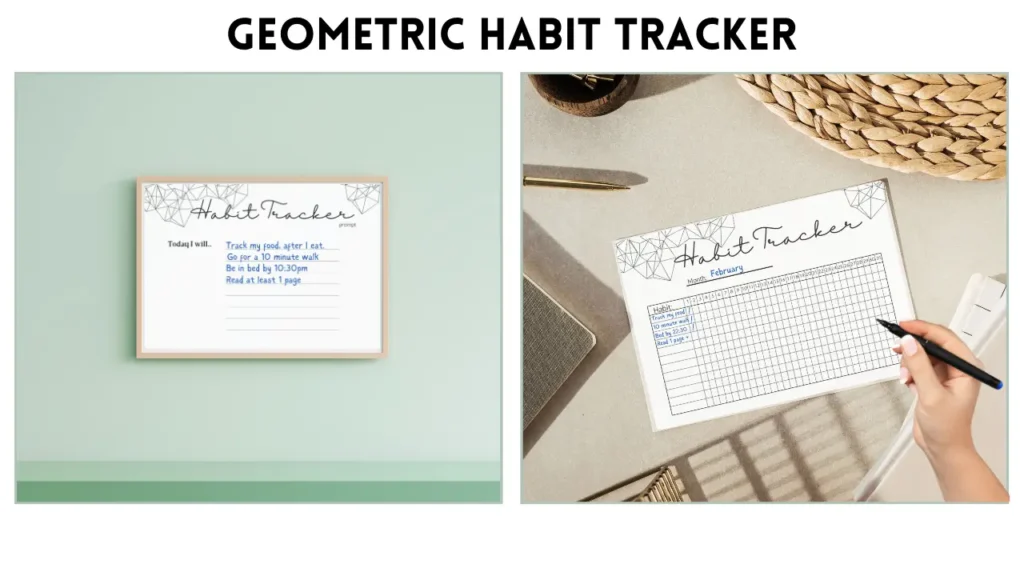
Make Healthy Habits Stick (Without the Overwhelm!)
Your simple, no-stress way to build habits that actually last.
✅ Track daily progress with ease
✅ Stay motivated with powerful prompts
✅ Make small, sustainable changes—one checkmark at a time
Ready to take control of your habits?
Find accountability. Share your goals with someone who supports you, like a friend, partner, or even your kids. Knowing someone else is rooting for you—or checking in—can help you stay more consistent.
Keep your tools visible. Make it easy to follow through on your habits by keeping what you need in plain sight. Want to stretch more? Place your yoga mat where you’ll see it. Trying to drink more water? Keep a bottle filled and within reach.
It’s also helpful to pair new habits with existing ones. For example, if brushing your teeth is already part of your routine, use that time to add a minute of squats.
These small adjustments blend naturally into your day, making consistency feel more effortless.
Celebrating Progress, Not Perfection
When you’re overwhelmed by responsibilities, it’s tempting to overlook your wins because they feel too small. But every step counts, no matter how tiny.
Learning to celebrate progress—whether it’s sticking to a habit for two days in a row or completing a five-minute workout—is key to maintaining your motivation long-term.
How can you celebrate? Start by acknowledging your efforts daily. At the end of each day, think about what you accomplished, even if it wasn’t what you originally planned.
Maybe you didn’t hit 10,000 steps, but you managed to walk around the block despite a hectic schedule. That’s worth celebrating.
It’s also important to reward yourself in ways that align with your goals. For example:

Treat yourself to a new water bottle after consistently hydrating for a week.
Take a relaxing bubble bath as a thank-you to yourself for a week of small workouts.
Share your progress with a friend or write about it in a journal. Simply reflecting on your wins can lift your spirits.
Keep in mind that celebrating progress can also mean simply being kind to yourself. Rather than focusing on what didn’t happen, give yourself credit for showing up and trying.
Life is unpredictable, and managing to do anything for your health while juggling the demands of motherhood is a victory in itself.
Focusing on progress instead of perfection doesn’t just help you stay consistent—it builds confidence.
Each time you reflect on your wins, you reinforce the belief that you’re capable of making positive changes without needing everything to be perfect.
By overcoming perfectionism, finding ways to stay consistent, and celebrating every small win, you build momentum and make the Imperfect Action Framework a natural part of your life.
It’s not about doing everything—it’s about doing something, and that something is more than enough.
Small actions can lead to big transformations when you’re consistent. The Imperfect Action Framework reminds you that progress doesn’t require perfection—just commitment to taking manageable steps each day.
As a busy mom, your time is limited, but even a few minutes focused on your health can add up to meaningful change.
Start with one tiny action today. Maybe it’s sipping an extra glass of water, taking a quick walk, or simply pausing for a deep breath. These small moments of care for yourself make a difference, and they’re worth celebrating.
You have the power to prioritize your health without guilt or overwhelm. The first step might not feel perfect, but it’s a step forward—and that’s what truly counts.

If this post helped you in any way, please pin one of these images below!
It helps my blog tremendously. Thank you!