If you feel like you’re fighting a losing battle with your healthy habits, you’re definitely not alone. Most busy mums hit that wall—trying to keep the weight off, juggling 50 things at once, and then worrying you’re not doing enough.
Guilt starts creeping in (hello, chocolate binge at 9pm), and everywhere you look, someone’s preaching about needing more willpower. Spoiler: you don’t.
Tiny habits are a real lifesaver. They work even when your energy’s gone and your brain is foggy from a night of broken sleep.
Instead of trying to change everything all at once, you’ll find you can actually make progress in sneaky, doable steps that fit right into your messy, beautiful, busy life. No endless willpower required—just tiny shifts that actually stick.
The Willpower Trap: Why Grit Alone Isn’t Enough for Weight Loss
So many people try to just “power through” and hope their sheer determination will get them fit and healthy. You know, the classic white-knuckle diet, the heroic fridge cleanouts, or that bold promise to start “fresh” on Monday (again).
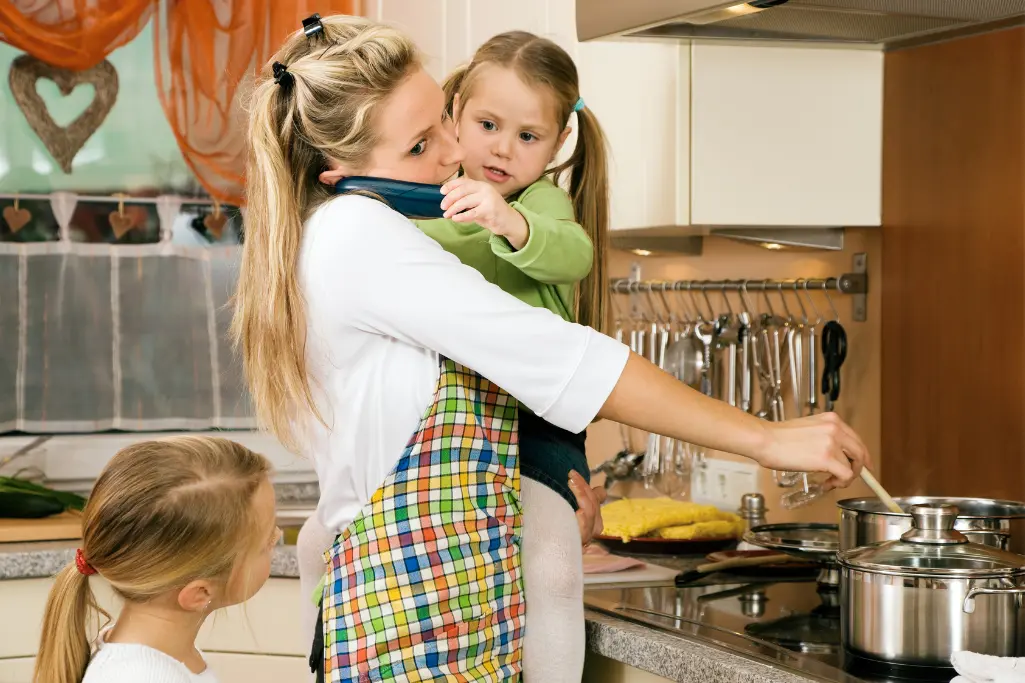
But mums know better. You wake up with the best intentions, but then school runs, laundry piles, surprise tantrums, snack time battles, and work all hit you at once.

Guess what? All of that constant hustle works against your willpower. It’s not about lacking discipline or being “lazy”—your brain and body just get worn out. Here’s how that sneaky willpower trap really works.
Understanding Decision Fatigue for Mums
Life as a mum means making a wild number of choices every single day. Think about it:
What’s for breakfast?
Who needs clean socks?
Which emergency to handle first?
Should you pack a healthy lunch or just throw in a cereal bar?
It never stops! Each small decision chips away at your mental strength, kinda like chipping paint off a wall. Researchers even have a name for this: decision fatigue.
Basically, it means that the more choices you make, the harder it gets for your brain to keep picking the “right” one.
By afternoon, your brain is tired from all the little and big decisions it’s had to sort out. That’s when healthy habits start taking the back seat.
Chocolate or veggies? The easy option wins out—again. Not because you’re weak, but because your mind is fried from morning till night.
Key signs you’re dealing with decision fatigue:
You skip or rush through meals.
Your healthy plans slip when you get stressed.

Shopping gets random and less healthy the later it gets.
You give up on new routines by evening.
This isn’t about willpower failing you. It’s your brain’s way of saving energy (helpful centuries ago, not so much now).
If you don’t set up your day with tiny, repeatable habits, you’re stuck making hard choices over and over. That’s exhausting! No wonder you reach for the biscuit tin after a long day.
How Stress Undermines Willpower and Wellness Goals
Stress might be the biggest saboteur hiding in your daily routine. Motherhood ramps up the pressure.
There’s never enough time, someone always needs something, and even your “free time” comes with a side of guilt. Your brain and body are on high alert, juggling everything and keeping everyone safe.
Here’s what’s sneaky about stress: it changes how your brain works. High levels mean your body pumps out more cortisol (the “stress hormone”).
This messes with the parts of your brain that help with self-control and rational thinking—yep, willpower takes a hit.
You’re not just grumpy or tired when you’re stressed. Your ability to stick to new routines, say “no” to cravings, and actually remember your goals shrinks when stress is high. It’s not that you don’t care—you’re just maxed out.
Let’s get real about what’s happening inside:
Impulsive choices feel easier (that leftover cake is calling your name).
Sleep takes a beating, which drains energy and self-control.
Cravings pop up more, especially for sugary or fatty foods.
Hormones go all over the place, making your mood and hunger harder to predict.
Stress latches onto your wellness journey and makes each step feel heavier. Add in family responsibilities, work, and surprise sick days, and even the most “determined” mum will run out of steam.
Your brain tries to keep you comfortable and happy (hello, comfort food).
Stress leaves you with less patience for meal prepping, working out, or even remembering your water bottle.
You feel guilty for “cracking,” but the truth is, your body is just looking for relief.
Tiny habits unlock a way out because they don’t need the giant bursts of effort that willpower demands. When everything in your world feels loud and messy, small, easy wins don’t get knocked down by stress or fatigue.
This is where real, lasting change happens—the opposite of the willpower trap.
The Science of Tiny Habits: Why Small Actions Drive Lasting Change
Ready to hear why those small, sneaky habits actually work better than toppling over your day with big goals and hope?
Turns out, your brain is on your side… if you play by its rules. You don’t have to “reboot” your whole life—just give your brain a simple path to follow.

Let’s peek under the hood at how tiny habits work their magic (especially when life’s a bit all over the place).
How Habits Are Formed in the Brain: Summarize the Cue-Routine-Reward Loop and How Automatic Behaviors Conserve Mental Energy
Your brain is quietly obsessed with making things easy. Instead of pushing you toward big changes, it likes to sneak your actions onto autopilot.
This is where that “habit loop” comes in. Think of it as your brain finding the shortest, smoothest way to get things done:
Cue: It all starts with a trigger. Something you see, feel, or do. Like the sound of a kettle means tea time, or the 8pm Netflix logo means… snacks.
Routine: Next, you slide into your usual action. Maybe it’s reaching for the remote, chopping veggies, or brushing your teeth.
Reward: At the end, you get a little “high five” from your brain. It could be a tingle of happiness or just that feeling of “ahhh, done.”
Repeat this loop enough times, and your clever brain moves the habit into its “automatic” folder. This is how you end up walking into rooms with no clue why, or reaching for your phone before you’ve opened your eyes. It just happens.
Now, here’s the real secret: habits save brain fuel. Making choices all day is draining. Your brain would rather run you on cruise control, shuffling those repeat actions in the background while letting you focus on keeping tiny humans alive.
According to BJ Fogg, the man behind the “Tiny Habits” method, you don’t need motivation overload or discipline Olympics. Instead, shrink the change until it’s almost laughably small—like putting on your workout shoes (not actually working out).

This way, the habit is so gentle, your brain won’t panic or throw up resistance. The loop just gets stronger, with less effort.
When you choose tiny, repeatable actions, your mental energy lasts longer. You sidestep the fight of willpower vs. comfort, and let your brain turn helpful steps into smooth routines.
Want to see this in action? The 3-Ingredient Snack Rule is a tiny habit that turns snack chaos into something easy and sustainable.
Quick recap on how your brain loves tiny habits:
Cues nudge you, routines keep things familiar, rewards give a quick boost.
You save energy for life’s actual battles (like getting everyone out the door on time).
Small, steady actions become automatic, so you don’t need a pep talk every time.
Why Small Wins are Key for Busy Mums: Discuss the Motivational Power of Micro-Successes and Positive Feedback
Big plans sound exciting, but let’s be real—they’re giant stress bombs waiting to explode. When you crush a big goal, it feels great… but getting there? It wipes you out, especially when you’re stretched thin.
Small wins are the tiny confetti cannons for your brain. Think of your first “I did it!” moment when you finally remembered to fill up your water bottle, or you swapped a snack without guilt.

That little spark? It’s called a dopamine hit—a real chemical boost that lights up your reward system. It’s the same ping your brain gets from likes on a cute kid post.
Here’s why tiny wins matter so much to mums:
They build real momentum. Small success feels possible, which pulls you forward. You feel proud, and that feeling fuels your next step.
Motivation snowballs. BJ Fogg calls it “celebration”—you get a burst of energy every time you finish a micro-action. High-five yourself, every time!
No crash-and-burn. Unlike monster goals, bite-size habits don’t leave you feeling like a failure when life throws a curveball. Didn’t manage a workout? You still did your two squats while brushing your teeth.
Easy to track and tweak. When you focus on the tiny stuff, you actually notice progress (“Hey, I packed my lunch!”), and it feels good. That good feeling keeps you coming back.
Your brain would rather have a dozen little wins each week than one big gold star you get once in a blue moon. Stack up those micro-successes, and soon you’ll be on autopilot, gliding through helpful routines without draining your mental batteries.
Think of it like tidying up your living room, one toy at a time instead of waiting for the tornado-clearout that never happens. Each mini-win is proof you can change, little by little, even in the thick of family chaos.
Turns out, tiny habits aren’t weak—they’re your shortcut to lasting change, without the willpower wipeout.
Real-Life Examples: Tiny Habits for Sustainable Weight Loss
Let’s get down to what actually works when you can barely find time to eat sitting down. Real mums, real schedules, zero spare hours—but tiny habits really do sneak in and start helping.
You don’t need hours at the gym or meal plans that cost a fortune. These small actions fit right into daily chaos, and before you know it, they add up.
Here are a few real ways you can work these itty-bitty habits into a busy life (and keep the whole family on board without complaints).
Easy Nutrition Habits for the Whole Family
If healthy eating sounds like extra work, that’s because most plans make it way too hard. Here’s a secret: you can sidestep the drama and make small, nearly effortless tweaks during the day.
Kids won’t notice, partners won’t balk, and you’ll all eat better without meltdowns.
Picture this:
Veggie prepping right after breakfast: Hear me out—while the kids finish up their cereal or you wait for toast to pop, pull a few carrots or bell peppers from the fridge.

Slice them up, toss into a container, and boom! Snacks for lunchboxes, work bags, or those 4pm “I need something NOW” rumbles. You spend less than five minutes, and you’re golden.
One glass of water before meals: It feels silly-simple, but it works. Pour a glass and keep it by the table or kitchen counter. Make it the rule: sip the water while you’re setting plates out, or as soon as you set down at the table.
Water takes the edge off random munchies, and the kids can join in (turn it into a little “who can drink the most water before dinner” contest if you want everyone laughing).
Double up on veggies you’re already cooking: Instead of planning new dishes, just add an extra handful of spinach to the pasta sauce or dump more frozen peas into whatever’s on the stove. More color, more fiber, less fuss.
Family “fruit basket challenge”: Put out a bowl with whatever fruit you have handy. Tell everyone to grab one piece for snack time, no fuss about which. No extra washing or slicing ten different things. Just a nudge toward quick, healthy grabs.
Tanya, mum of two, said:
“I started chopping my veggies first thing. No joke, it’s the only way I get them in. If I wait until dinner, I’ve already given up. Now, my five-year-old will even nibble on them while I finish my coffee.”
Incorporating Movement into Your Busy Day
Exercise doesn’t need a schedule or an outfit change. You can slip it into the strangest moments, and it still counts. When your hands are full and your head is even fuller, movement can hide in plain sight.
Squats while folding laundry: Every time you pick something up, squat instead of bending over. It’s a built-in mini workout and your knees and back will thank you over time. Ten squats, then pants folded, two wins in one.

Stretch breaks while the kids play: If you’re on the floor or sitting nearby while the kids build their Lego towers or watch cartoons, sneak in stretches.
Toe touches, shoulder rolls, gentle twists—all fair game. You feel less stiff, and it models good habits for the whole family.
Marches during toothbrushing: Brushing time is often wasted time. March or step in place while you brush, or try a few heel raises by the sink. Two minutes, twice a day, like clockwork.
Dance while cooking: Blast some music and shuffle around while you stir or chop. Two tracks is about six minutes of heart-raising movement, and kids love joining in (even if it becomes a wild kitchen disco).
Walking meetings (or phone calls): Got a call with a friend, teacher, or doc? Pop in your earphones and pace the hallway. No need to sit for more than you have to.
Here’s what Rachel (mum of three) shared:
“I used to dread ‘exercise time.’ Now I do squats waiting for the microwave. Honestly, my jeans fit better and I laugh more, since the kids try to out-squat me.”
Small movements count and they stick because you’re just piggybacking on what you already do. These little tweaks get your heart pumping, stretch your legs, and never take you away from your family for long.

If you try just one or two of these this week, you’ll already be going in the right direction. Tiny habits, big results. Just like playing hide and seek with your goals—except, this time, you actually find them.
Overcoming Setbacks: Bouncing Back Without Beating Yourself Up
Ready for a little heart-to-heart? Because if you’re like most mums, your healthy habit streak has gotten tripped up more than once. Maybe you skipped your morning stretch, or a bit of stress eating crept in after a tough school drop-off.
Here’s the truth: everyone slips up. And guess what? You don’t need to punish yourself or toss your healthy plans out the window. The magic comes from getting back up, not from never stumbling.
Let’s dig into how to bounce back from setbacks in a way that actually works (no guilt trips needed).
Redefining Progress—Focusing on Consistency Over Perfection
It’s easy to fall into the “all or nothing” trap. Miss one day of a habit, and suddenly it feels like you wiped out months of progress.
(Bit dramatic, right? But oh so familiar!) Let’s take a breath and talk about a better way.
Progress isn’t about getting it perfect every single time. It’s about showing up, even if that means starting over for the millionth time. That’s the heart of tiny habits.
Instead of chasing perfection, try these ideas:
Count your repeats, not your slips. It doesn’t matter if you missed your glass of water one day. What counts is how many times you did remember all week.

Think marathon, not sprint. Habits are built over weeks and months, not overnight. One crummy meal or missed walk doesn’t undo everything. It’s just a blip.
Track tiny wins. A simple habit tracker (hello, sticker charts or an app) helps you see your streaks adding up. It’s like giving your brain a visual pat on the back.
When you spot even a little progress, your confidence bounces back. You think, “Hey, I can do this!” That feeling matters more than any perfect streak.
Not every week will look tidy or Instagram-ready. There will be late nights, forgotten greens, and days when moving your body is the last thing you want. Totally normal!
Healthy routines live and breathe with you. That’s why tracking and celebrating small actions works so well—each tick, check or sticker turns into proof that you’re doing something good for yourself, even when life swirls in every direction.
Here’s a trick that helps when old habits creep back in:
Name the slip, then return to your routine. Don’t call yourself lazy. Just say, “Oops, I skipped my walk,” shrug, and aim to do it tomorrow. It keeps things light and keeps your brain from freaking out.

Use “I’m the kind of person who…” statements. Try saying, “I’m the kind of mum who remembers her water bottle most days.” This little mind trick makes it easier to step right back in without guilt.
So, ditch the pressure for perfect. Every small, steady action counts way more than any fleeting “flawless” week.
Progress is messy, but it’s real. Be proud of how many times you keep coming back—because that’s what actually gets you where you want to go.
Sticking with your tiny habits, even with a few wobbles, makes you strong in a way that chasing perfection never will.
Trust me, messy progress is still progress. And yeah, it feels amazing when you finally see those little steps stacking up!
Implementing Tiny Habits Using the Imperfect Action Framework
Let’s talk about actually doing this tiny habits thing in “real mum life.” Life’s messy, schedules change, and that “fresh start Monday plan” usually gets ditched by Wednesday night.
Enter the Imperfect Action Framework from Be Imperfectly Healthy—your go-to system for turning small steps into daily wins, without needing to be some superwoman. This isn’t about a flawless routine.
It’s about trying, tweaking, and celebrating whatever progress you can muster (even if it’s while juggling baby bottles and emails at the same time).
Here’s the secret sauce: if you make habits simple, pick the right moment, and build a little cheer squad around you… things stick.
Instead of beating yourself up about not being perfect, you shift to counting what is working. Ready to try? Let’s break it down.
How to Start and Track Your First Tiny Habit
Getting started with tiny habits can feel like picking the right mug from an overflowing cabinet—so many choices, but when you grab one that just fits your hand, it becomes your favorite.
Here’s how you can pick (and actually stick to) your first tiny habit, using a quick step-by-step flow that works even if you don’t remember the last time you had a hot cup of anything.

Step 1: Pick ONE Ridiculously Easy Habit
Think of something you already do every day (like boil the kettle or brush your teeth). This becomes your “anchor.”
Now attach a super small action to it — something that feels almost too easy.
For example:
- “After I boil the kettle, I’ll fill my water bottle.”
- “After I brush my teeth at night, I’ll do two squats.”
The trick? Make it so simple, it feels slightly silly. The easier, the better.
Step 2: Set Up a Quick Habit Tracker
You can use anything to keep track. Scrap of paper, sticky notes, or use the free habit tracker from Be Imperfectly Healthy if you want something pretty for the fridge.
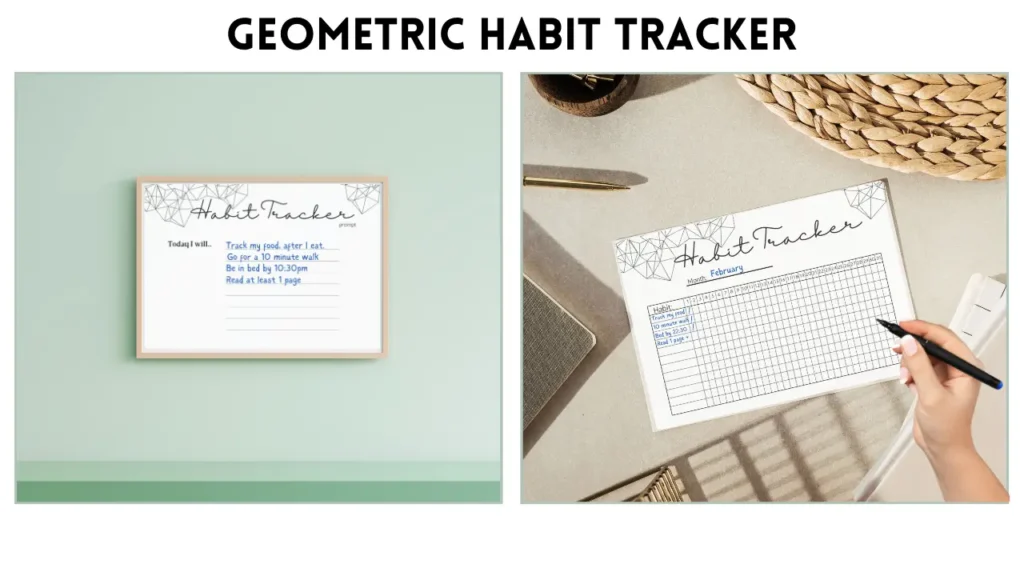
Make Healthy Habits Stick (Without the Overwhelm!)
Your simple, no-stress way to build habits that actually last.
✅ Track daily progress with ease
✅ Stay motivated with powerful prompts
✅ Make small, sustainable changes—one checkmark at a time
Ready to take control of your habits?
Write your habit at the top.
Label columns for each day of the week.
Check it off every time you do your tiny habit.
Step 3: Celebrate Every Win (Big or Small!)
This is the missing magic. As soon as you finish your new habit, celebrate in some way.
Say “Yes, I did it!”
Do a little happy wiggle or fist pump.
Smile at yourself in the mirror.
Tell your kids or partner, “Look, I remembered my two squats!”
Sounds a bit dorky? Maybe. But every “yay me!” is a mini spark in your brain. The science says this little burst of pride is what wires the habit in.

Imperfect Action Template (From Tiny Habits):
Here’s your fill-in-the-blank formula for any habit:
After I (existing routine), I will (tiny action). Then I will (celebration).
Example:
After I pour my morning coffee, I will drink a glass of water. Then I’ll clap my hands.
Tips:
- Keep the tracker somewhere you see it often.
- If you miss a day, just check off the next one. No drama!
- Think of trackers like gold stars for grown-ups. Stickers are absolutely allowed.
Leveraging Community for Accountability and Support
If you’ve ever started a habit on your own and felt it fizzle out (hello, lone wolf walking!), then you know the magic that comes with having a cheerleader or buddy to keep you on track.
Accountability is like that gentle nudge from a friend, or that nattering voice saying, “Hey, I saw you do that! Go you!”
You don’t need a huge group. You need connection.
Ways to Find Your Support Crew:
Text a Friend: Pick one person (mum, sister, group chat buddy). Tell them, “I’m starting a tiny habit. Will you check in with me on Fridays?”
Start a Chat Thread: Share a photo of your ticked-off tracker or your “Woo, did it!” each day.
Join an Online Group: The Be Imperfectly Healthy community is full of real mums doing the same thing. Sometimes just seeing others celebrate makes you want to keep your streak alive, too.
Get the Household Involved: Ask your kids or partner to join — maybe everyone does a silly “celebrate” dance, or you race to see who can remember their habit first.

Ideas for Making Accountability Fun:
Have a “habit buddy challenge” and swap proud messages or GIFs.
Stick your tracker where everyone can see it (bathroom mirror, fridge, door).
When you hit a milestone week, treat yourself—a favorite snack, a solo walk, whatever feels like a prize.
How Support Makes Habits Stick:
You feel seen, which makes small wins feel bigger.
You’re less likely to drop the habit—all it takes is someone saying, “Did you tick your box today?”
Little setbacks don’t sting as much when you’re not going solo.
If group stuff isn’t your thing, that’s okay. Even telling one person locks in accountability. It turns your habit into a little “we thing” instead of just another lonely to-do.
Building healthy routines as a busy mum isn’t about getting it perfect. It’s about setting up small supports and taking one easy step at a time, with a sprinkle of community and a lot of good-natured self-cheerleading.
You don’t need more willpower. You need a simple start, a way to see your progress, and a few people in your corner. Keep it tiny, keep it imperfect, and you’ll be surprised how far those steps take you.
In Summary..
You don’t need to master willpower or whip yourself into shape with big, perfect plans. You just need to keep showing up in your own real, messy way. Tiny habits help you get there because they fit into “mum life” without drama.
They make change feel possible, and before you know it, you’re stacking those small wins into something you can feel proud of—even on the wildest days.
Let yourself be a little imperfect. You already do so much; give yourself credit for every tiny step you take. Use the Imperfect Action Framework as your sidekick. Trust that these small tweaks really do lead to lasting results, even if nobody else notices at first.
Ready to make tiny habits your thing? I’d love for you to share your favorite small win or your next habit idea in the comments.
Want more support or a place to celebrate the messy middle? Join us inside the Be Imperfectly Healthy community. Thanks for giving your time to read. You deserve every bit of progress—imperfect, silly, and worth it.
You got this!
If this post helped you in any way, please pin one of these images below!
It helps my blog tremendously. Thank you!


![5 Ways to Snack Smarter (Without Giving Up Your Favorite Treats) [Fresh for 2025]](https://beimperfectlyhealthy.com/wp-content/uploads/2025/07/snack-portions-768x512.webp)